פון דער נאנט: אוקריינישע סאלדאט שיסט אראפ א רוסישע אטאקע דראון מיט א ביקס
גאלערי
ווידעאס
בס"ד
אוקראינישער זעלנער שיסט אראפ א רוסישע אטאקע דראון פון דער נאנט מיט א מאשין גאן
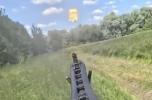
א ווידעא וואס איז פארשפרייט געווארן צייגט ווי אן אוקראינישער זעלנער שיסט אראפ א רוסישע אטאקע דראון פון גאר א נאנטע ווייקייט, ניצנדיג אן 'MG 3' מאשין גאן. דער זעלנער האט געעפנט פייער ווען די דראון האט זיך דערנענטערט גאר נידריג, און עס באטראפן מיט א שטורעם פון קוילן וואס האט אראפגעברענגט דעם פלי-געצייג כמעט אויפן פלאץ. דער אינצידענט האט פאסירט פון אזוי נאנט אז עס איז נישט געווען קיין פלאץ פאר קיין טעותים, און עס ברענגט ארויס די גרויסע סכנה פון די נידריג-פליענדע דראונס און די שנעלע רעאקציע וואס פעלט זיך אויס זיי אפצושטעלן.
די 'MG 3' מאשין גאן, וואס איז באקאנט אלס א פארלעסליכע וואפן וואס שיסט גאר שנעל, האט זיך ארויסגעשטעלט צו זיין גאר עפעקטיוו אין דעם פאל. ווי נאר די רוסישע דראון איז אנגעקומען נאנט, האט דער אוקראינישער קעמפער אנגעהאלטן זיין וואפן גראד צום ציל און ארויסגעשאסן א רייע קוילן אן א רחמנות. די דראון איז אראפגעקלאפט געווארן פון די לופטן אין בלויז עטליכע סעקונדעס נאכן כאפן די ערשטע קוילן. אזעלכע נאנטע קאנפראנטאציעס זענען געווארן זייער אפט, וויבאלד ביידע זייטן פארלאזן זיך שטארק אויף דראונס פאר שפיאנאזש און אטאקעס.
דער אינצידענט ברענגט ארויס די כסדר'דיגע סכנה וואס די אוקראינישע קרעפטן גייען אדורך פון די רוסישע דראונס ביים פראנט ליניע. די אטאקע דראונס קענען זיך באווייזן פלוצלינג און גאר נידריג, וואס צווינגט די זעלנער צו רעאגירן מיט סיי וואספארא וואפן זיי האבן אין די האנט. אין דעם פאל האט די שנעלע רעאקציע פונעם זעלנער פארהיטן די דראון פון דורכפירן איר מיסיע, וואס צייגט די פלינקייט און קאלטבלוטיגקייט וואס פאדערט זיך אין אזעלכע אנגעצויגענע מאמענטן.
אזעלכע ווידעאס צירקולירן כסדר און צייגן די שווערע און שנעלע נאטור פונעם קריג. די אקציע פונעם זעלנער צייגט אז אפילו אין די היינטיגע צייטן פון מאדערנע טעכנאלאגיע און דראונס, קענען פלינקע זעלנער מיט גוטע וואפנס נאך אלץ באזיגן די סכנה און זיי אומשעדליך מאכן - אפילו פון די נאנטסטע ווייקייט.
