מיליטערישע טרעקלעך אין איראן ווערן אונטערגעצינדן
גאלערי
ווידעאס
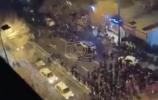
Tehran erupted in violent demonstrations on January 8, 2026, as protesters set fire to Basij paramilitary vehicles and motorcycles during nighttime clashes with security forces. The unrest, now entering its twelfth day, reflects the escalating anger of Iranian citizens over economic collapse, soaring inflation, and the devaluation of the rial.
Video footage from the capital shows flames engulfing Basij vans and motorcycles as crowds chant against the regime, targeting symbols of the Islamic Republic and expressing their opposition to Supreme Leader Ali Khamenei. Despite crackdowns by security forces, protesters have continued to mobilize, demonstrating the persistence and determination of the uprising.
The unrest, initially sparked by economic grievances, has spread beyond Tehran to major provinces, including Mashhad and Qom. Reports indicate at least 36 fatalities have occurred as regime forces attempt to suppress the demonstrations, which have rapidly evolved into a broader anti-government movement demanding systemic change.
Analysts note that the protests highlight deep frustration with both economic mismanagement and political repression. Targeting the Basij, the volunteer paramilitary arm of the Islamic Revolutionary Guard Corps, underscores the growing boldness of citizens willing to confront the regime directly.
The ongoing demonstrations mark one of the most sustained challenges to the Iranian leadership in recent years. With urban centers across the country witnessing mass mobilizations, the regime faces mounting pressure to respond, while the population’s calls for accountability and reform continue to intensify.
