דראונס טראגן שווערע וואג העכער בארג עווערעסט
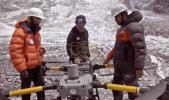
For the first time in the history of Mount Everest expeditions, companies are using drones to carry heavy equipment loads up the world’s highest peak, marking a significant shift in how climbers and support teams operate in extreme environments.
Beginning in 2024, expedition operators such as Seven Summit Treks and Airlift Ventures started deploying DJI FlyCart 30 drones to transport essential gear from Everest Base Camp to higher camps. The drones are capable of carrying loads of up to 30 kilograms, including oxygen cylinders, climbing ladders, and other critical supplies, completing flights in under four minutes—tasks that previously required hours of dangerous trekking by human porters.
The introduction of drone logistics is being hailed as a major safety breakthrough, particularly for Sherpas who face some of the highest risks on the mountain. Avalanches, icefalls, and crevasses have claimed more than 300 lives on Everest since 1922, many of them support workers tasked with hauling supplies through hazardous zones. By shifting the most dangerous transport routes to unmanned systems, expedition leaders say they can significantly reduce exposure to life-threatening conditions.
Beyond safety, the technology is also helping address Everest’s growing environmental problem. The drones are being used not only to carry supplies upward, but also to haul trash back down the mountain. An estimated 12 tons of waste accumulate on Everest each year, and the ability to transport refuse efficiently is seen as a crucial step toward preserving the fragile alpine environment.
While drones do not replace the skill, experience, and endurance of Sherpas, expedition companies emphasize that they serve as a powerful support tool. The goal is to improve efficiency, reduce risk, and modernize logistics without undermining the human element that remains central to Himalayan climbing.
As drone technology continues to advance, Everest’s adoption of aerial cargo systems may signal a broader transformation in high-altitude expeditions worldwide, where innovation is increasingly being used to make extreme exploration safer, cleaner, and more sustainable.
גאלערי
ווידעאס
