רוסלאנד שיקט מיסלס פראבעס אין איראן
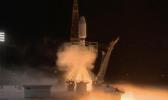
Footage released on December 28, 2025, shows Russia successfully launching a Soyuz-2.1b rocket from the Vostochny Cosmodrome, carrying multiple satellites into orbit, including several developed by Iran. The launch deployed Iran’s Paya (also known as Tolou-3), Zafar-2, and Kowsar-1.5 satellites, according to confirmations from Iranian state media and international tracking reports.
The mission marks Iran’s 10th successful orbital deployment and represents another step forward in the country’s expanding independent space program. The satellites, weighing between approximately 50 and 135 kilograms each, are designed primarily for remote-sensing purposes, including high-resolution Earth imaging for agriculture monitoring, environmental analysis, and disaster response.
While Iranian officials emphasize civilian applications, analysts note that remote-sensing capabilities also carry potential military and intelligence uses, such as reconnaissance and terrain analysis. The launch highlights growing technical cooperation between Moscow and Tehran at a time when both countries face increasing pressure and sanctions from Western governments.
Russia’s use of the Soyuz-2.1b, a reliable and proven launch vehicle, underscores its continued role as a major space-launch provider despite geopolitical tensions. For Iran, the successful deployment strengthens its ability to operate satellites without relying on Western launch services, advancing long-term strategic and technological goals.
The launch adds to a series of recent space developments signaling deeper alignment between Russia and Iran in aerospace and defense-related technologies, drawing close attention from international observers concerned about regional and global security implications.
גאלערי
ווידעאס
