איבער די מאדורא ארעסט אין ווענעזועלא
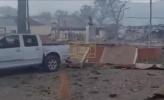
New footage emerging from Venezuela’s Fuerte Tiuna military complex shows the aftermath of U.S. strikes carried out during the operation that led to the detention of Nicolás Maduro. The video captures soldiers from the Ayala Battalion surveying smoke-damaged barracks, scattered debris, and visibly impacted facilities inside what has long been regarded as the nerve center of the former regime’s military command.
Fuerte Tiuna, located in Caracas, has historically served as a central hub for presidential security, military planning, and internal regime coordination. U.S. officials have indicated that the site functioned as a key command and control location during the overnight raid that culminated in Maduro’s capture on long-standing drug-trafficking charges unsealed in 2020.
The footage provides visual confirmation of the scale and precision of the operation. Rather than widespread destruction, the damage appears concentrated on specific structures tied to command functions, reinforcing U.S. claims that the strikes were tightly targeted to degrade regime capabilities while minimizing civilian harm. Advanced drone surveillance and real-time intelligence reportedly played a central role in identifying targets and monitoring conditions on the ground.
The operation was executed by U.S. special forces and unfolded rapidly, preventing organized resistance and avoiding prolonged urban combat. Observers have noted parallels to the 1989 U.S. intervention in Panama that removed Manuel Noriega, while emphasizing that modern technology allowed for far greater precision and significantly reduced collateral damage.
Soldiers seen in the aftermath appeared disoriented and largely non-confrontational, underscoring reports that the regime’s command structure collapsed quickly once air defenses were neutralized and leadership was isolated. The swift breakdown at Fuerte Tiuna further illustrates the extent to which Venezuela’s military apparatus had been hollowed out by years of corruption, politicization, and declining readiness.
The images from Fuerte Tiuna stand as a stark visual marker of the end of Maduro’s grip on power. They also reinforce the broader message sent by the operation: when criminal governance intersects with direct threats to U.S. security, America retains the ability to act decisively, precisely, and with overwhelming effectiveness.
גאלערי
ווידעאס
