זאהארן מאמדאני באגרעניצט ICE קאאפעראציע, דרינגט פאר רעליגיעזע אינספיראציע.
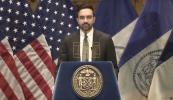
New York City Mayor Zohran Mamdani signed a controversial executive order on February 6, 2026, sharply limiting cooperation between city agencies and U.S. Immigration and Customs Enforcement (ICE). The directive bars ICE agents from entering city‑owned properties without a judicial warrant, a policy move the mayor said was intended to reinforce so‑called “sanctuary” protections amid expectations of heightened federal immigration enforcement under the Trump administration.
Mamdani, a Muslim democratic socialist elected in 2025, unveiled the order during a public address at an interfaith breakfast, framing his call for broader tolerance in spiritual terms. Drawing on the Islamic narrative of the Prophet Muhammad’s Hijrah and a verse from the Quran (16:41), the mayor urged New Yorkers to see immigrants as “strangers” deserving hospitality and moral welcome.
The executive order codifies a stricter interpretation of local non‑cooperation with federal immigration authorities, signaling a deepening rift between New York City leadership and the Biden‑appointed Department of Homeland Security now under Trump administration direction. By restricting access to city properties—including public schools, parks, and municipal buildings—Mamdani’s policy sets a high threshold for cooperation with lawful immigration enforcement by requiring warrants in all but the most narrowly defined circumstances.
Supporters of the mayor’s approach portray it as a defense of due process and civil liberties. However, critics argue the policy undermines the rule of law and hampers federal efforts to detain and remove individuals who pose criminal or national‑security threats. By discouraging routine cooperation with ICE, city authorities risk creating enforcement gaps that federal agents say have, in past years, been exploited by violent offenders who evaded removal.
Mamdani’s invocation of religious language stirred particular controversy. By urging residents to draw inspiration from Islamic teachings on welcoming the stranger, the mayor tied his political agenda to religious imagery, prompting debate over the appropriateness of such references in civic policy discussions. Opponents contend that public safety and sovereignty concerns should be discussed in secular, constitutional terms rather than theological ones.
The executive order arrives amid heightened national debate over immigration policy, border security, and federal authority. With the Trump administration signaling tougher deportation drives and increased removal operations, cities like New York that adopt restrictive sanctuary practices are likely to remain front‑line arenas in the broader clash over immigration enforcement powers and local autonomy.
As the policy takes effect, its implementation and legal challenges are expected to shape the broader policy landscape, with implications for how cities nationwide balance community trust with cooperation in federal law enforcement.
גאלערי
ווידעאס
