טראמפ זאגט אז די פאראייניגטע שטאטן גרייט צו אפציעס פאר אן איראן רעזשים טויש.
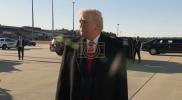
President Donald Trump, while en route to a military event, acknowledged that the U.S. administration has considered scenarios for Iran following a potential regime change, stating only that “there are people” without providing specific names or details. The remark, delivered to reporters during a brief exchange, suggests that contingency planning for post-regime leadership in Tehran is under discussion amid escalating regional tensions and ongoing deployment of American military assets, including a second aircraft carrier strike group to the Middle East.
Trump’s comment reflects continuity with his long-standing “maximum pressure” strategy, aimed at curbing Iran’s nuclear ambitions and regional influence. The administration’s approach combines economic sanctions, military readiness, and strategic diplomacy to compel Tehran to comply with international norms, while maintaining options should regime change or leadership disruption occur. Analysts note that such planning is standard practice in national security circles, allowing the U.S. to prepare for contingencies without committing to specific political outcomes.
The president’s statement comes amid heightened U.S.-Iran tensions, including the recent positioning of additional naval forces in the Gulf and continued surveillance of Iran’s nuclear and missile programs. By referencing unspecified individuals prepared to assume leadership roles post-regime, Trump signals awareness of the complexities inherent in regime change and the need for measured, coordinated planning with allies and intelligence partners.
While avoiding explicit endorsement of any figure or faction within Iran, the remarks underscore the administration’s broader commitment to regional security and deterrence. Trump emphasized that the primary goal remains preventing Iran from acquiring nuclear weapons and countering threats posed by its proxies, while leaving open diplomatic avenues consistent with U.S. interests.
Observers interpret the statement as both a reassurance to U.S. partners in the Middle East and a message to Tehran that the United States maintains strategic options for influencing outcomes beyond sanctions and military deterrence. The deliberate vagueness preserves operational flexibility while signaling that the administration is actively contemplating the political landscape in post-regime scenarios.
גאלערי
ווידעאס
