נאכט העליקאפטער רעטונג ראטעוועט פארוואונדעטע כייקערס.
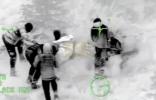
First responders carried out a high-risk nighttime rescue on February 15, 2026, extracting two injured hikers from the steep, snow-covered slopes of Mount Ellinor in Washington’s Olympic National Forest. Operating in near-freezing temperatures and complete darkness, emergency crews relied on a coordinated helicopter insertion and rope systems to reach the victims, who had fallen into an avalanche chute.
The injured hikers—a 51-year-old woman and a 16-year-old boy—sustained injuries during the fall, with the woman reported to be suffering from internal bleeding that required urgent evacuation. The challenging terrain and unstable snowpack ruled out a ground-based extraction, prompting the deployment of a U.S. Coast Guard helicopter equipped for night operations. Flight crews used precision hovering while rescue personnel rappelled down onto the mountainside, a maneuver requiring exact timing, stable aircraft control, and clear communication under difficult environmental conditions.
Thermal night-vision footage from the operation shows rescuers descending onto the steep slope, securing the victims, and preparing them for hoist extraction. The limited visibility, combined with cold temperatures and the risk of additional snow movement, added layers of complexity to the mission. Each phase—from insertion to packaging the patients and lifting them to the aircraft—was conducted with strict adherence to technical rescue protocols designed to minimize exposure time and prevent further injury.
Mountain rescue operations of this nature demand close coordination between aviation crews, medical personnel, and ground support teams. The successful outcome underscores the specialized training required for hoist rescues in alpine environments, where wind conditions, terrain angle, and rotor wash can all affect safety. The Coast Guard’s capability to perform such missions at night significantly expands the rescue window for injured climbers and hikers who might otherwise be unreachable until daylight.
The incident also highlights the inherent risks of winter hiking in mountainous regions, where avalanche chutes, icy surfaces, and rapidly changing weather can turn routine outings into life-threatening situations. Authorities routinely advise hikers to monitor conditions, carry appropriate safety equipment, and file trip plans before entering remote terrain.
Both victims were transported to medical facilities for treatment following the extraction. The operation stands as a testament to the technical proficiency and dedication of rescue teams who operate in some of the most challenging environments to save lives, often under severe weather and time pressure.
גאלערי
ווידעאס
