א אוקריינא דראון אטאקירט א רוסישע אויל צענטער
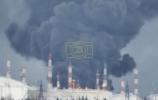
A nighttime drone strike by Ukrainian forces hit the Druzhba-1 oil pumping station at Kaleikino in Tatarstan, Russia, igniting a 60-meter-diameter storage tank and sending flames visible across the snowy industrial complex. Located approximately 1,100 kilometers from the front line, the facility forms a critical node in the Druzhba oil pipeline system, which has transported crude oil from Russia to European export routes since 1964.
Footage from the incident shows large flames engulfing the tank, highlighting both the scale of the attack and the vulnerability of key energy infrastructure to long-range unmanned strikes. The Druzhba pipeline system moves up to 1.4 million barrels of crude oil per day, serving as one of Russia’s primary conduits for European supply. While European dependence on Russian oil has declined following sanctions imposed after 2022, disruptions at Druzhba nodes can still complicate logistics, delay exports, and impact regional energy markets.
Analysts note that this strike is consistent with previous Ukrainian operations targeting Russian energy assets, including pipelines, storage facilities, and power stations. The attacks aim to exert pressure on Russian energy flows, create operational bottlenecks, and signal the capability to reach deep into Russian territory with precision drone technology. The Kaleikino strike underscores the continued strategic importance of energy infrastructure as a target in the ongoing conflict.
Operationally, the blaze at Druzhba-1 will require specialized firefighting and containment measures, as oil storage tank fires present high risks of escalation, environmental damage, and prolonged disruption. Emergency crews face the dual challenge of extinguishing the fire while protecting surrounding pipelines and facilities from secondary damage or explosion.
The incident also carries broader geopolitical significance. Even though Europe has reduced reliance on Russian oil, any interruption of crude flows can affect pricing, trading contracts, and logistics for refineries still linked to Druzhba supplies. The attack reinforces the vulnerability of aging infrastructure and highlights the potential for energy assets to serve as both strategic leverage and tactical targets in regional conflicts.
As the situation develops, monitoring of fire suppression progress, pipeline integrity, and downstream delivery schedules will be crucial for understanding the full operational and economic impact. The Kaleikino strike exemplifies the intersection of modern drone warfare with traditional energy networks, demonstrating how remote attacks can ripple through both national energy security and international markets.
גאלערי
ווידעאס
