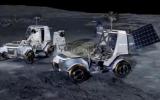
פון א קליינע באזע צו א שטאט: נאסא פלאנירט צו נוצן איבערנוצבארע ראקעטן פאר א פערמאנענטע לבנה באזע.
גאלערי
ווידעאס
NASA Bets Big on Reusable Rockets to Build a Permanent City on the Moon
NASA is turning to fully reusable rocket technology as the linchpin of its most ambitious lunar ambitions yet, with commercial spaceflight leader Jared Isaacman laying out a vision that goes far beyond a temporary outpost on the Moon. Isaacman pointed to vehicles like SpaceX's Starship, capable of delivering massive payloads to the lunar surface, as the key that could unlock a transformation from a small research base into something resembling an actual small city. He specifically cited SpaceX's recovery of more than 600 Falcon boosters as proof that reusability has already reshaped access to space, and suggested future upper stages could even be repurposed as literal building blocks for lunar infrastructure.
NASA's roadmap follows a phased approach designed to methodically build toward that larger goal. The plan begins with robotic landers and technology demonstrations at the lunar south pole, gradually adding habitation modules before ultimately supporting sustained crews living and working on the Moon for extended periods. Commercial partnerships remain central to the strategy throughout, with private companies expected to shoulder major portions of the heavy-lift and logistics work that would have been prohibitively expensive under NASA's older, expendable rocket systems. The approach reflects a broader shift in how the agency is approaching deep space exploration, leaning on the cost savings and rapid iteration that reusable rockets have already proven in low Earth orbit.
The announcement has generated considerable excitement online, with space enthusiasts envisioning entirely new categories of jobs tied to a permanent lunar presence, including speculative fields like nucleo-astrogeology geared toward studying and exploiting lunar resources. Still, not everyone is convinced the vision will materialize on schedule, with some observers raising concerns about whether funding will keep pace with NASA's ambitions over the years it will take to move from robotic landers to a thriving lunar settlement. As heavy-lift reusable vehicles continue coming online, NASA is framing the effort as nothing less than the next chapter of American exploration, one built not on one-time missions but on durable, reusable infrastructure meant to last.
