די איראנע נעפט ווערט אטאקירט
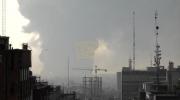
Thick, dark smoke covered large sections of Tehran’s skyline on Sunday after Israeli airstrikes struck multiple oil storage sites and refinery facilities connected to Iran’s fuel infrastructure. The strikes triggered massive fires that sent towering plumes of black smoke into the air above the Iranian capital, creating a dramatic and highly visible aftermath that lingered across the city for hours.
According to the Israel Defense Forces (IDF), the operation targeted approximately 20 large oil storage tanks during the wave of strikes carried out on Saturday. One of the most significant impacts occurred at the Aqdasieh fuel depot, where the attack ignited a large fire that rapidly spread across portions of the facility. Video footage circulating from the area shows heavy smoke rising from the burning site and merging with thick clouds above Tehran, casting a dark haze over the capital.
Iranian authorities confirmed that multiple fuel depots were struck during the operation. The National Iranian Oil Company reported that facilities located in both Tehran province and the neighboring Alborz province were hit in the coordinated strikes. Officials also stated that four employees working at one of the targeted facilities were killed during the attack.
The strikes mark a significant escalation in the ongoing confrontation between Israel and Iran, particularly as energy infrastructure was directly targeted. Oil storage tanks and fuel depots represent critical logistical nodes for Iran’s domestic fuel supply and industrial energy network. Damage to these facilities can disrupt fuel distribution, strain emergency response systems, and create environmental and safety hazards due to the scale of fires caused by ignited petroleum reserves.
Shortly after the attacks were confirmed, Israeli Prime Minister Benjamin Netanyahu addressed the operation and signaled that Israel’s campaign against Iran’s leadership and military infrastructure would continue. Netanyahu stated that Israel would pursue further strikes against Iran’s ruling authorities and warned that operations would proceed “without mercy,” reinforcing Israel’s position that it will act decisively to counter threats posed by the Iranian regime.
Israeli security officials have long accused Iran of expanding its regional military footprint and advancing capabilities that could threaten Israeli national security. Israel has repeatedly conducted operations aimed at limiting Iran’s strategic reach, particularly in areas linked to weapons development, military logistics, and infrastructure believed to support hostile activities.
The latest strikes come amid heightened tensions in the region following recent confrontations between Israeli forces and Iran-backed groups. Analysts note that targeting oil storage facilities sends both a strategic and symbolic message, demonstrating Israel’s ability to strike key economic assets within Iran while applying pressure on the country’s leadership.
For residents of Tehran, the immediate impact of the attacks was visible across the city skyline. Large columns of smoke from the burning oil facilities drifted over urban districts, creating an ominous visual reminder of the conflict unfolding beyond the immediate battlefield. Emergency crews were deployed to contain the fires and prevent further damage to nearby infrastructure.
As both sides exchange warnings and signals of resolve, the situation remains volatile. The strikes on Iran’s oil infrastructure highlight how quickly the conflict can escalate and how strategic assets far from traditional front lines can become targets in the broader confrontation shaping the region’s security landscape.
גאלערי
ווידעאס
