ווענס שטעלט פאר די מערסטע אפענע און אמת'דיגע פארטיידיגונג פונעם איראן דיעל וואס מען האט נאר געהערט ביז היינט...
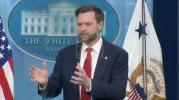
Vance Fires Back at Iran Deal Skeptics: 'Trump Has Crushed Them — Isn't It Worth Seeing If They Blink?'
Vice President JD Vance went on offense this week against critics of the Trump administration's landmark Iran ceasefire deal, delivering what may be the most direct and unapologetic defense of the agreement yet heard from any senior White House official. Speaking in a no-holds-barred interview, Vance addressed the deal's most vocal skeptics head-on — those who argue that Iran is simply incapable of changing its behavior no matter what incentives are placed on the table. His answer was as blunt as it was compelling: if the Iranians refuse to change, they get absolutely nothing. No sanctions relief, no unfrozen assets, no pathway back into the international community. The deal, Vance argued, is not a gift to Iran — it is a test, and one that costs the United States virtually nothing if Tehran fails it.
What makes Vance's argument so powerful is the premise underlying it — that President Trump has already done the hard work. Iran did not come to the negotiating table out of goodwill or ideological evolution. They came because Trump's sustained military and economic pressure left them with no viable alternative. Crippling sanctions, the disruption of their terror financing networks, and the credible threat of continued military strikes reduced the Islamic Republic to what Vance described as an "incredibly weakened position." That context matters enormously. This is not the Obama-era nuclear deal, where a desperate American administration handed Tehran billions in cash and received vague promises in return. This is a deal negotiated from a position of overwhelming American strength, with consequences built in from day one if Iran fails to deliver on its commitments.
Vance's challenge to the skeptics ultimately boils down to a single, powerful question: what exactly is the downside of trying? If Iran complies, the region stabilizes, energy markets normalize, and American taxpayers are spared the staggering cost of prolonged military engagement. If Iran cheats or backslides, the deal collapses, the benefits evaporate, and the United States retains every option it had before — including, as President Trump has made crystal clear, the option to resume bombing. For those who support a strong, results-driven American foreign policy, Vance's framing is difficult to dismiss. It is the logic of a dealmaker, not a diplomat — and in the Trump era, that distinction makes all the difference.
גאלערי
ווידעאס
