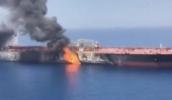
א בליק ווי די אראנער רעוועלוציע גארד קרעפטן האבן אטאקירט דריי שיפן דורך אויס די נאכט
גאלערי
ווידעאס
Iran Fires Cruise Missiles at Three Ships, Ignites Full-Scale Hormuz Crisis as U.S. Blockade Descends
The Strait of Hormuz — the narrow waterway through which nearly a fifth of the world's oil supply flows every single day — has descended into open conflict after Iranian forces launched a devastating overnight assault on three commercial vessels, including two oil tankers struck directly by cruise missiles. The attacks represent one of the most brazen provocations Tehran has carried out in years, sending immediate shockwaves through global energy markets and placing the entire international shipping community on high alert. With a U.S. naval blockade set to take effect within hours, what many feared as an escalation trigger has now become a horrifying reality, thrusting the already volatile Persian Gulf region into its most dangerous moment in recent memory.
The targeted strikes on commercial tankers are a direct and calculated challenge to American authority in the region, arriving on the eve of the U.S. blockade implementation in a move widely condemned as deliberate intimidation. Iran's use of cruise missiles against non-military vessels marks a severe and alarming escalation from prior harassment tactics, signaling that Tehran is willing to weaponize one of the world's most critical maritime chokepoints rather than yield to mounting international pressure. The Trump administration has long warned that any interference with freedom of navigation would be met with overwhelming force, and overnight's events have now placed the White House in a position where inaction is simply not an option.
As emergency response teams scramble to reach the stricken vessels and assess casualties, energy markets are bracing for a potentially historic supply disruption. The Strait of Hormuz is the jugular vein of the global economy, and any prolonged closure or sustained conflict in these waters would send oil prices surging while exposing the fragility of international supply chains that billions of people depend on daily. The United States, its allies, and the entire global community are watching every move with extraordinary intensity — and the next 24 to 48 hours will determine whether this flashpoint ignites into something far larger and far more catastrophic.
