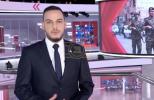

Reports from multiple sources indicate that defections within Iran’s Islamic Revolutionary Guard Corps (IRGC) and police are increasing, particularly among higher-ranking personnel in cities such as Isfahan and Tabriz. Analysts suggest that the trend reflects both operational and economic pressures on the regime’s security apparatus amid ongoing unrest.
Observers attribute the growing defections to several key factors. A lack of clear leadership and communication from Tehran has left many units directionless, while senior officers reportedly remain hidden underground, using frontline troops as human shields during clashes with protestors. Compounding these issues, severe economic hardships and widespread cash shortages have further demoralized personnel tasked with maintaining internal security.
Video subtitles circulating online corroborate these reports, emphasizing the leadership void and the resulting confusion among forces in affected cities. These developments align with a January 2026 analysis by the Foundation for Defense of Democracies (FDD), which highlighted rising fears of defections in the wake of nationwide protests targeting IRGC bases.
Additional context from media outlets including Iran International and research from the Stimson Center underscores that desertions serve as a key indicator of regime instability. While Critical Threats notes that there has been no mass exodus to date, the pattern suggests an incremental erosion of loyalty within Iran’s security forces rather than an abrupt collapse.
The trend of growing IRGC and police defections highlights the intersection of operational mismanagement, public dissent, and economic strain as factors contributing to internal instability. Analysts suggest that continued unrest combined with ongoing leadership failures could further weaken the regime’s ability to maintain control over its security apparatus in the coming months.
גאלערי
ווידעאס