ווייסע הויז טיילט מיט דראמאטישע פוטידזש פון איראן לופט אטאקעס.
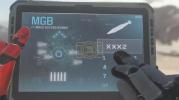
The White House released a striking new video montage highlighting recent United States military strikes against targets linked to the Iranian regime, presenting the operations in a stylized format that has quickly captured attention across social media and political circles. The video, published on March 4, 2026, combines authentic footage from U.S. drone and missile operations with visual elements reminiscent of a modern military video game, creating a dramatic portrayal of the ongoing campaign.
The montage features real combat footage showing precision-guided strikes against Iranian targets, including facilities and infrastructure believed to support military operations. Several scenes show missiles striking isolated compounds and desert installations, illustrating the accuracy of U.S. targeting capabilities. The Pentagon has indicated that portions of the footage used in the video are classified as unclassified operational imagery, meaning the material can be released publicly without compromising active missions or sensitive intelligence sources.
Interwoven throughout the video are clips resembling gameplay from the popular first-person shooter franchise Call of Duty. The visual parallels between real-world drone targeting systems and video game interfaces give the presentation an intense, high-tech feel. Crosshairs, targeting overlays, and thermal imagery blend with gameplay footage to create a sequence that some viewers say resembles a cinematic military highlight reel rather than a traditional government briefing.
Adding to the dramatic tone is the soundtrack accompanying the footage. The video is set to the patriotic country song “Courtesy of the Red, White & Blue” by Toby Keith, a track long associated with American military pride and post-9/11 patriotism. The song’s aggressive, defiant lyrics reinforce the video’s message of American strength and resolve during a period of escalating confrontation with Iran.
The release comes during a period of heightened tensions between Washington and Tehran following a series of American airstrikes launched in late February targeting Iranian military infrastructure and assets tied to regional proxy forces. U.S. officials have described the strikes as part of a broader strategy aimed at deterring further aggression against American interests and allied forces in the Middle East.
Supporters of the administration argue that the video serves as a powerful display of U.S. military capability and technological superiority. They say the presentation highlights the precision and professionalism of American forces while reinforcing the message that the United States remains prepared to defend its allies and national interests. For many viewers, the video symbolizes a confident show of strength during a volatile geopolitical moment.
Critics, however, have questioned the tone and presentation style, arguing that the blending of real combat footage with video game imagery risks trivializing the seriousness of military operations. Some analysts suggest the video reflects a broader shift in modern political communication, where social media content is designed to be visually compelling, shareable, and emotionally engaging in order to reach large digital audiences quickly.
Regardless of differing reactions, the video underscores the evolving role of media in shaping public perception of modern warfare. Governments increasingly release curated operational footage not only to inform the public but also to influence narratives during conflicts. By presenting visually striking imagery of precision strikes, the administration appears intent on emphasizing both military effectiveness and strategic deterrence.
As tensions between the United States and Iran continue to develop, the video serves as a symbolic reminder of the technological edge and operational reach of American forces. Whether viewed as a bold display of strength or an unconventional communication strategy, the montage has already succeeded in drawing global attention to the ongoing confrontation and the message Washington wants adversaries to hear: the United States is watching, capable, and ready to act.
גאלערי
ווידעאס
