צוויי צה"ל באסעס האבן געמאכט עקסידענטן אין די זעלבע צייט
גאלערי
ווידעאס
Two separate traffic accidents involving buses transporting Israeli soldiers occurred less than an hour apart on the morning of February 26 in the Negev Desert, leaving at least 29 people injured and causing significant disruption along key southern routes. Emergency services responded to both incidents, treating wounded personnel at the scene and evacuating those in moderate condition to nearby hospitals.
The first collision took place at Nevatim Junction, where a military bus was involved in an accident with a private vehicle. Eleven people were injured in that crash, including a 29-year-old woman reported to be in moderate condition. Medics provided immediate care while traffic authorities worked to clear the intersection, a critical access point for military and civilian movement in the region.
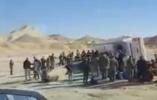
Less than an hour later, a second incident occurred along Route 40 near Mitzpe Ramon when another bus carrying approximately 50 soldiers overturned. Seventeen individuals were injured in that accident, two of them moderately. Video from the scene showed the bus lying on its side in sandy terrain, with soldiers and emergency responders surrounding the wreckage and assisting those trapped inside.
The rapid succession of the two crashes intensified the operational response, with multiple ambulance units, police, and military officials coordinating evacuations and traffic control. The incidents temporarily slowed movement along major Negev corridors used for both training activities and logistical transport.
Initial assessments indicate that road conditions, vehicle interaction, and possible mechanical factors are being examined by investigators, though no final cause has been released. Military transport protocols typically involve scheduled convoy movement, and authorities are expected to review procedures to determine whether additional safety measures are required.
While none of the injuries were reported as life-threatening, the events underscore the risks associated with large-scale troop transportation across long desert routes. The Negev’s open highways, heavy military usage, and mixed civilian traffic create conditions that require strict adherence to safety standards and coordinated movement planning.
Both accidents prompted a broader logistical review and renewed focus on transport safety for personnel movements. Emergency services cleared the scenes and restored traffic flow later in the day, while military officials continued to monitor the condition of the injured and assess the operational impact.
The back-to-back nature of the crashes drew national attention, highlighting the importance of roadway safety even outside active operational environments and reinforcing the need for continual evaluation of transport procedures for large troop movements.
