העליקאפטער קראך אין יוטא
גאלערי
ווידעאס
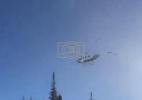
On January 18, 2026, around 3:10 p.m., a Bell 206L-1 LongRanger II helicopter crashed near Timber Lakes in Utah’s Uinta Mountains during a low-altitude hover, colliding with trees after entering an uncontrolled spin. Video captured by nearby snowmobilers shows the helicopter striking multiple trees before coming to rest. All four occupants survived the crash, though one was airlifted with a critical head injury while the other three received treatment on site. Witnesses noted that the dense trees likely cushioned the impact and prevented fatalities.
The crash occurred at an elevation of approximately 9,400 feet, where high-density altitude conditions can reduce lift capacity and make helicopters more difficult to control. Investigators from the National Transportation Safety Board (NTSB) are now examining potential causes, including tail rotor strike, sudden power loss, or other factors related to snowy mountainous terrain.
Snowmobilers at the scene played a critical role in providing immediate assistance, helping to evacuate the injured and stabilize the survivors until emergency responders arrived. The incident underscores both the dangers of low-altitude mountain flight and the importance of quick civilian intervention in remote crash scenarios.
Authorities continue to assess mechanical and environmental factors to determine the precise sequence of events that led to the dramatic crash.
