מאמדאני ווארנט איבער פראפערטי טעקס
גאלערי
ווידעאס
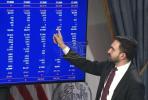
New York City Mayor Zohran Mamdani outlined the city’s $127 billion fiscal year 2027 budget, emphasizing contingency measures that would be implemented if state lawmakers do not approve his proposal to raise income taxes on the city’s highest earners. Speaking publicly, Mamdani stated that, in such a scenario, the city would be compelled to draw $980 million from its rainy day fund, $229 million from the retiree health benefit fund, and implement a 9.5% increase in property taxes to cover a projected $5.4 billion shortfall.
The mayor framed these actions as last-resort measures, necessary to meet statutory requirements for a balanced budget while avoiding the broader economic and social consequences of fiscal mismanagement. Mamdani highlighted the importance of structural reforms and greater state cooperation to address the city’s long-standing revenue imbalances, noting that New Yorkers contribute a disproportionate share of state revenue relative to what they receive in return.
Officials emphasized that the proposed property tax increase would primarily affect working- and middle-class residents, with the median household income in New York City around $122,000. Drawing from reserve funds would also represent an unprecedented step outside of extraordinary external crises, similar to prior measures taken by previous administrations during financial emergencies.
Mamdani’s remarks underscore the administration’s commitment to pursuing revenue-generating measures at the state level before imposing costly local solutions. The announcement has sparked debate among policymakers, taxpayers, and advocacy groups, many of whom are weighing the economic and social impacts of these potential interventions against the necessity of maintaining fiscal stability.
