באוואפנטע מעקסיקאנער קארטעל קען נישט אנצינדן א ברענשטאף סטאנציע.
גאלערי
ווידעאס
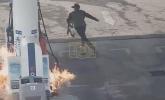
CCTV footage captured on February 22, 2026, shows armed members of the Jalisco New Generation Cartel arriving at a gas station in Mexico and attempting to set the facility on fire in what authorities believe was part of a broader wave of retaliatory attacks following the reported military killing of cartel leader El Mencho. Despite the show of force, the attempted arson failed to achieve significant impact, highlighting both the limits of the operation and the effectiveness of modern fuel station safety engineering.
The video depicts multiple assailants pouring accelerant around fuel pump areas and discharging firearms in an apparent effort to ignite a larger blaze. However, the expected explosion or sustained fire never materialized. Only small, localized flames were visible, and these quickly diminished without spreading to the underground fuel storage systems.
Energy infrastructure specialists note that contemporary gas stations are designed with layered fire prevention mechanisms that make large-scale ignition far more difficult than commonly assumed. Fuel is stored in sealed underground tanks equipped with pressure controls and flame arrestors, while pump systems include backflow prevention and automatic shutoff valves that limit vapor release. Without a sufficient concentration of ignitable vapor in open air, even the presence of accelerants and gunfire is unlikely to trigger a catastrophic explosion.
The failed attack occurred amid a series of coordinated cartel actions reported across multiple Mexican states, underscoring the group’s intent to project strength despite leadership losses. Nevertheless, the limited damage at the gas station illustrates how hardened infrastructure can reduce the effectiveness of such tactics and protect both civilians and critical energy supply chains.
Security analysts emphasize that while the incident demonstrates ongoing cartel capability and willingness to target public sites, it also shows that resilience measures in modern facilities can significantly mitigate risk. By preventing ignition from reaching stored fuel, the station’s safety systems effectively contained the threat and avoided what could have been a mass-casualty event.
Mexican authorities continue to monitor the broader security situation following the reported death of El Mencho, with military and federal forces maintaining an elevated posture in regions affected by cartel activity. The investigation into the gas station incident remains ongoing, and officials have not released further operational details.
The episode serves as a reminder that while cartel violence remains a serious challenge, advancements in infrastructure protection and safety design play a crucial role in limiting damage and safeguarding the public when attacks occur.
