איראן איז מודה אז די נוקלעארע געשפרעכן האבן זיך קיינמאל נישט אנגעהויבן, און באשולדיגט אמעריקע אין פארלעצונגען
גאלערי
ווידעאס
בס"ד
איראן שאקירט די וועלט: "מיר האבן קיינמאל נישט אנגעהויבן קיין פארהאנדלונגען מיט אמעריקע"
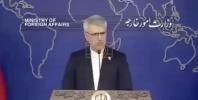
איראן האט איבערגעגעבן א שאקירנדע מעלדונג וואס רייסט אונטער די פרישע שמועות איבער א מעגליכע נייע נוקלעארע אפמאך מיט די פאראייניגטע שטאטן. דער איראנער אויסערן מיניסטעריום ווארטזאגער, איסמעיל באקאי, האט דערקלערט אז כאטש עס איז געווען א פלאן פאר א 60-טאגיגע פארהאנדלונג פעריאד איבער אראפנעמען סאנקציעס און דעם נוקלעארן פראגראם, האבן די געשפרעכן זיך קיינמאל נישט אנגעהויבן.
ער האט ארויפגעלייגט די גאנצע שולד אויף אמעריקע, זאגנדיג אז זיי האבן פארלעצט די אפמאכן, און מיט דעם געגעבן טעהראן'ס נייע תירוץ פארוואס עס זענען נישט פארגעקומען קיין ערנסטע דיפלאמאטישע געשפרעכן. דאס קומט אין א צייט וואס עס זענען געווען באריכטן אז א נייע דיעל ווערט שוין אויסגעארבעט אונטער די קוליסן, און עס ברענגט צוריק ארויף די אלטע זארגן איבער וויפיל מען קען זיך פארלאזן אויף איראן אלס א שותף צו פארהאנדלונגען.
מיט די קאמענטארן פראבירט איראן אראפצואווארפן די שולד אויף אמעריקע און זיך ארויסדרייען פון נעמען פאראנטווארטליכקייט אויף זייערע אייגענע אקטן. לויט טעהראן, איז דער 60-טאגיגע פלאן געווען טויט נאך פאר עס האט זיך אנגעהויבן. אזעלכע סטעיטמענטס ברענגען ארויף ערנסטע פראגעס צי עס לוינט זיך בכלל צו פארהאנדלען מיט א רעזשים וואס קען אזוי גרינג אפלייקענען דעם גאנצן פראצעס. קריטיקירער וואס זענען שטענדיג געווען קעגן פארהאנדלונגען מיט איראן, זאגן אז דאס איז א קלארע באווייז אז 'פרעשור' און שטארקייט איז די איינציגסטע שפראך וואס די פירערשאפט אין טעהראן פארשטייט.
די אנטוויקלונג קומט אינמיטן אנגעצויגענע ראיאנאלע שפאנונגען און א שארפע פאקוס אויף איראן'ס נוקלעארע אקטיוויטעטן און זייערע טעראר פראקסי גרופעס. די באהויפטונג אז די געשפרעכן האבן זיך קיינמאל נישט אנגעהויבן, צעשמעטערט סיי וועלכע האפענונגען אז אן אפמאך איז נאנט. עס צייגט אויך א קלארע מוסטער ווי אזוי איראנער באאמטע מאכן גרויסע סטעיטמענטס און ציען עס שפעטער צוריק ווען עס לוינט זיך זיי. פאר די וואס טענה'ן שוין לאנג אז מען קען נישט געטרויען איראן, געבן באקאי'ס ווערטער פרישע באווייזן דערצו, און עס דינט ווי א דערמאנונג אז מען טאר נישט נעמען איראן'ס ווערטער פאר א פאקט.
ווי די סיטואציע אנטוויקלט זיך, לאזט די איראנער פאזיציע ווייניג פלאץ פאר אילוזיעס איבער גרינגע דיפלאמאטישע לייזונגען. די פאליסי פון די טראמפ אדמיניסטראציע, וואס האט זיך קאנצענטרירט אויף "מאקסימום פרעשור" און א רעאליסטישע בליק אויף טעהראן, זעט אויס מער און מער גערעכט אין ליכט פון די נייע קאמענטארן. אנשטאט צו זיין א שותף וואס איז גרייט צו פארהאנדלען ערנסט, שטעלט זיך איראן נאכאמאל ארויס אלס א לאנד וואס אנטזאגט זיך אפילו אנצוהויבן די געשפרעכן וואס זיי האבן פריער באשטעטיגט. דער פאקוס גייט יעצט אריבער צו זען ווי אזוי אמעריקע און אירע אליאירטע וועלן רעאגירן צו די פרישע איראנער עקשנות.
