די איראנע אויפשטאנד
גאלערי
ווידעאס
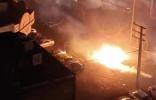
Iran’s nationwide protest movement entered its twelfth day with scenes of escalating unrest in the city of Karaj, where multiple fires burned across streets during nighttime demonstrations. Footage from the city shows flames used as barricades as protesters confronted security forces, underscoring a sharp rise in tension as the uprising continues to spread and harden.
The unrest in Karaj reflects a broader national crisis driven by severe economic deterioration. Iran’s currency has suffered historic devaluation, with the rial plunging to approximately 1.47 million per U.S. dollar, devastating household purchasing power and intensifying public anger. What began as economic protests has evolved into an openly political revolt against the Islamic Republic’s leadership.
Demonstrations have now been reported in all 31 provinces, with more than 100 locations experiencing protest activity in a single day. Bazaar strikes, student marches, and nighttime confrontations have become routine, accompanied by chants rejecting Supreme Leader Ali Khamenei and expressing support for opposition figures such as Reza Pahlavi. The scope and persistence of the protests indicate a nationwide mobilization rather than isolated unrest.
Human rights monitors report dozens of deaths and thousands of arrests as authorities attempt to suppress the movement. Security forces have reportedly used live ammunition, conducted raids on hospitals to detain injured protesters, and imposed widespread internet blackouts to disrupt coordination and limit information flow. These measures have failed to halt the demonstrations and have instead deepened public resentment.
International pressure has added to the regime’s strain, with warnings from U.S. leadership and increased activity by opposition groups along Iran’s borders amplifying the sense of instability. Despite the scale of the protests, analysts note that the absence of unified leadership could prolong unrest rather than produce an immediate political transition.
The fires in Karaj have become a powerful symbol of a country at a breaking point. As the protests move into their second week, the Islamic Republic faces a sustained challenge marked by economic despair, political defiance, and a population increasingly willing to confront the state in the streets.
