א בליק אריין אינעווייניג אין ליביע'ס געהיימע לאגערן: דארט וואו מ'טרענירט די מיליציע וואס ווארפט אן א פחד און טעראר איבער סודאן.
גאלערי
ווידעאס
Smoking Gun: Satellite Images Expose Libya-To-Sudan Weapons Pipeline
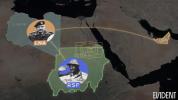
A explosive new investigation has pulled back the curtain on a sprawling covert network operating out of eastern Libya that is arming, training, and supplying Sudan's notorious Rapid Support Forces, the paramilitary group accused of committing horrific atrocities throughout Sudan's brutal civil war. The joint probe, conducted by Lighthouse Reports, Evident Media, Sudan War Monitor, and Der Spiegel, identified four previously undocumented RSF training camps scattered across Libya, including one known as Camp 17 located roughly 20 kilometers outside Benghazi. Investigators say the findings directly contradict repeated denials from both the RSF and Libya's eastern military leadership, who had claimed no such training operations existed on Libyan soil.
The investigation, built on satellite imagery, geolocated social media footage, and on-the-ground interviews with RSF defectors, points to a logistics pipeline allegedly backed by the United Arab Emirates and operating with the cooperation of forces loyal to Libyan strongman Khalifa Haftar. Multiple defectors described being trained at the camps in the use of heavy machine guns, rocket launchers, and drones, with several specifically identifying Colombian mercenaries as their instructors — contractors reportedly linked to a UAE-based private security firm. One defector told investigators that weapons, fuel, and armored vehicles moved through the network bore unmistakable markings, with at least one vehicle stamped plainly "Made in UAE." The UAE's foreign ministry has firmly denied providing any military or financial support to warring parties in Sudan, and Libya's LNA has likewise dismissed the allegations.
The stakes behind this investigation could not be higher: the RSF stands accused of ethnic massacres, mass displacement, and unspeakable violence against civilians throughout the Darfur region, and any foreign network sustaining its war-fighting capacity carries direct consequences for innocent lives on the ground. Survivors interviewed as part of the investigation described harrowing accounts of loved ones killed at RSF checkpoints and brutal escapes from besieged communities, underscoring the human cost behind the geopolitical chess game allegedly being played out through Libya. As international scrutiny intensifies and denials continue to pour in from Abu Dhabi and Benghazi alike, this investigation adds substantial new evidence to a growing body of reporting that has tracked foreign-backed weapons flows fueling one of the world's most devastating ongoing conflicts.
