טראמפ זאגט אז די אמעריקאנע און טשיינע האנדל גייט זיך נאך אביסל באנייען
גאלערי
ווידעאס
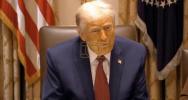
President Donald Trump is crediting his diplomatic breakthrough with China for jumpstarting long-stalled U.S. agricultural exports, telling American farmers that soybean shipments to China have already resumed following his high-impact summit with President Xi Jinping in South Korea. During a December 8, 2025, farmers roundtable, Trump said that “purchases have been made, and soybeans are being exported out of the United States to China as we speak,” framing the development as proof that his personal negotiations produced immediate results.
The comment follows weeks of renewed momentum in the agricultural trade relationship between Washington and Beijing. USDA data supports this shift, confirming that by mid-November, China had already purchased 792,000 metric tons of U.S. soybeans for the 2025/26 delivery year. The return of large-scale Chinese buying marks a significant de-escalation in the years-long trade tensions that had cost American farmers billions in lost sales.
For growers across the Midwest, China’s reentry into the market is more than symbolic—it represents a stabilizing force for prices, certainty, and global competitiveness. Many producers have long argued that American agriculture has been used as a political pressure point in U.S.-China disagreements. Trump’s announcement positions his administration as the one capable of breaking through diplomatic gridlock and restoring economic opportunities for the heartland.
The President emphasized that good-faith agricultural purchasing is not only a sign of easing tensions but also a strategic acknowledgment of U.S. strength in global food production. Trump argued that when the United States leads confidently, China responds accordingly, and American farmers benefit directly from that leadership.
While formal trade negotiations continue, the renewed flow of soybeans suggests that the Trump-Xi meeting achieved more than symbolic gestures. It produced measurable outcomes—shipments on the water, contracts signed, and confidence returning to a sector that has endured years of uncertainty.
For Trump, the message is straightforward: his personal diplomacy works, and American farmers are seeing the benefits already. For U.S. agriculture, this is a long-awaited opening that could signal a broader revival in the country’s export relationship with China.
