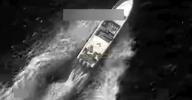
אמעריקאנער כוחות האבן צובראכן א דראג שיפל פארבינדן מיט טעראר נעטווארקס.
גאלערי
ווידעאס
U.S. military forces conducted a lethal strike against a narco-trafficking vessel in international waters of the Eastern Pacific on February 9, 2026, killing two operatives linked to designated terrorist organizations and rescuing one survivor. The operation, carried out under the authority of U.S. Southern Command, marks a significant escalation in Washington’s counter-narcotics and counter-terrorism campaign targeting maritime drug routes.
According to U.S. Southern Command, the strike was executed by Joint Task Force Southern Spear at the direction of SOUTHCOM Commander Gen. Francis L. Donovan after intelligence confirmed the vessel was actively engaged in narco-trafficking along a known smuggling corridor used by terrorist-linked criminal networks. Infrared and aerial video released from the operation shows a high-speed pursuit ending with a precision strike that engulfed the boat in flames.
Two individuals described by U.S. officials as narco-terrorists were killed in the engagement. One person survived and was immediately aided after U.S. Southern Command notified the U.S. Coast Guard to activate its search and rescue system. The survivor was recovered from the water, underscoring what officials described as adherence to maritime rescue obligations even during lethal operations.
The strike falls under Operation Southern Spear, a newly intensified campaign that has reportedly carried out approximately 37 similar actions since September 2025 under Defense Secretary Pete Hegseth. U.S. officials argue the operations are necessary to disrupt trafficking networks that fuel cartel violence and drive the fentanyl crisis, with the Eastern Pacific and Caribbean routes accounting for the vast majority of cocaine and other narcotics bound for the United States.
Supporters of the operation have praised the decisive use of military force against transnational criminal and terrorist-linked networks, framing the strikes as overdue and effective. Critics, however, have raised concerns over oversight, legal authority, and the public disclosure of evidence in some cases. Despite the debate, U.S. Southern Command has signaled that maritime interdictions and kinetic actions will continue as part of a broader strategy to dismantle narco-terror infrastructure and protect U.S. national security.
