פריש: טראמפ רופט אפ אן אטאקע אויף איראן בשעת די טעהראן דיעל דערנענטערט זיך צום שלוס.
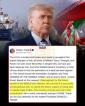
President Trump announced that the United States is standing down from a planned military strike against Iran, citing significant progress toward a comprehensive deal between Washington and Tehran. According to the President, the emerging agreement includes the full reopening of the Strait of Hormuz and a definitive end to Iran's nuclear weapons threat. Trump emphasized that Israel is fully aligned with the direction of the talks, framing the decision to hold off on military action as a sign of strength rather than hesitation, and one that keeps the door open for a lasting resolution rather than another cycle of strikes.
The announcement comes amid the broader 2026 Iran war, a conflict that began in February with joint U.S.-Israeli strikes on Iranian targets and has since been marked by repeated escalations, brief diplomatic pauses, and continued Iranian attacks on shipping despite earlier ceasefire attempts. Against that volatile backdrop, Trump's decision to pull back from a planned strike represents a notable gamble on diplomacy at a moment when previous pauses have not always held. The administration is framing the move as proof that sustained military pressure, combined with Israel's continued cooperation, has finally pushed Tehran to the table in a way earlier ceasefires failed to achieve.
Still, the history of this conflict counsels caution. Iran has previously used pauses in fighting to regroup, and past ceasefires have collapsed under renewed attacks on shipping lanes and continued nuclear activity. Trump's team has signaled that the strike remains on the table should Tehran fail to follow through, framing the halt as conditional rather than permanent. With Israel publicly on board and the Strait of Hormuz's reopening dangling as the deal's most tangible benefit, the coming days are expected to determine whether this latest diplomatic opening holds where previous ones have not.
גאלערי
