איראן שיסט באהאלטענע ראקעטן אונטער דער ערד.
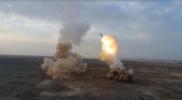
Iran has intensified its military posture by launching missiles directly from concealed underground “missile cities,” bypassing traditional launch pads and standard surface infrastructure in a move designed to enhance survivability and complicate enemy targeting.
Recent footage circulating in regional media shows sequential vertical missile ignitions emerging from desert terrain, with projectiles firing in rapid succession from concealed shafts. The launches align with verified reports of Iranian missile barrages targeting Israel on March 3, 2026, as tensions continue to escalate across multiple fronts in the Middle East.
Iran’s so-called missile cities are deeply fortified subterranean complexes developed over years as part of Tehran’s asymmetric deterrence doctrine. These hardened facilities allow for storage, fueling, arming, and launch operations to occur underground, significantly reducing vulnerability to preemptive airstrikes. By eliminating the need for visible launch pads or extensive above-ground preparation, Iran reduces warning indicators typically detected by satellite or aerial surveillance.
The strategic logic behind such infrastructure is clear. Concealed vertical-launch shafts enable rapid, near-simultaneous missile deployment while preserving mobility and concealment. In operational terms, this increases launch survivability, shortens response timelines, and complicates adversary interception planning. For Israel and U.S. defense planners, underground missile networks present a more complex targeting challenge compared to traditional exposed launch systems.
These developments come amid intensified U.S.-Israeli operations targeting Iranian military infrastructure. Joint strikes have reportedly hit more than 2,000 sites, including facilities near Qom believed to be associated with missile storage and command nodes. Despite sustained aerial pressure, Iran’s ability to continue launching from hardened underground positions underscores the resilience of its dispersed military architecture.
The broader regional picture remains volatile. Iranian retaliatory strikes have targeted Israeli territory as well as U.S. military installations and diplomatic facilities in the Gulf. Meanwhile, Washington and Jerusalem maintain that their objective is to degrade Iran’s offensive capabilities and neutralize long-term strategic threats.
From a defense analysis perspective, the operational use of underground missile cities reflects years of strategic investment by Tehran in survivable second-strike capabilities. Such systems are intended not merely for demonstration but to ensure continued launch capacity even under sustained bombardment. The visual release of these launches also serves a psychological dimension, projecting strength and deterrence to both domestic and international audiences.
As military operations expand, the effectiveness of underground launch infrastructure will remain a central factor in the trajectory of the conflict. Whether intensified strikes can meaningfully degrade these fortified networks—or whether their survivability will prolong escalation—remains one of the most consequential strategic questions now facing the region.
גאלערי
ווידעאס
