דער פארטריבענער קרוין פרינץ פון איראן איבער כומעיני'ס טויט
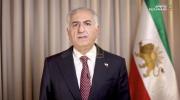
Reza Pahlavi, the exiled son of Iran’s last Shah, issued a video message on March 1, 2026, declaring the death of Supreme Leader Ali Khamenei—confirmed through joint U.S.-Israeli airstrikes—as a pivotal moment in Iran’s history. Pahlavi called on regime officials to surrender and urged members of the Iranian military to support ongoing "Lion and Sun Revolution" protests, advocating for a bloodless transition to secular democracy.
The message builds on years of domestic unrest between 2022 and 2026, initially sparked by the death of Mahsa Amini, which catalyzed widespread demonstrations demanding political and social reform. Analysts note that Pahlavi has positioned himself as a unifying figure, drawing significant support from diaspora communities and urban youth, while rural areas and Shia clerical factions remain more divided. Peer-reviewed studies, including those published in the Journal of Democracy, highlight his broad appeal among progressive segments of Iranian society and his potential to galvanize a nonviolent movement toward democratic governance.
Pahlavi’s call emphasizes strategic restraint, seeking to avoid further bloodshed while leveraging the momentum created by Khamenei’s death and the ongoing military and societal disruption. By framing the moment as an opportunity for a peaceful transition, he aims to consolidate opposition forces, encourage defections from regime loyalists, and accelerate the country’s shift toward secular, democratic institutions. Observers suggest that the coming days will be critical in determining whether the movement can capitalize on this unique juncture to achieve lasting political change.
גאלערי
ווידעאס
