איראן אטאקירט מיט דראונס די גאלף לענדער
גאלערי
ווידעאס
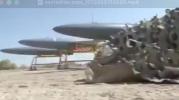
Iranian state-affiliated media outlet Tasnim has released footage showing the launch of multiple Arash one-way attack drones from a desert launch site, with the aircraft appearing to head south toward Gulf Cooperation Council (GCC) countries. The video shows several drones being deployed in succession, highlighting Iran’s continued reliance on unmanned aerial systems as tensions escalate across the region.
The Arash drone is designed as a one-way attack platform, commonly referred to as a “suicide drone” or loitering munition. Unlike conventional aircraft that return to base after a mission, these drones are intended to strike a designated target directly, detonating upon impact. The system allows operators to conduct long-range attacks while minimizing risk to pilots and reducing operational costs compared to traditional missile systems.
According to defense assessments, the drone launches are taking place amid an expanding conflict between Iran and Gulf states during March 2026. Military analysts report that Tehran has dramatically increased the frequency of drone attacks directed at targets associated with the United Arab Emirates and other GCC members. Some defense reports estimate that Iran has launched more than 100 drones per day during the peak phases of the campaign.
The use of drones at this scale reflects a shift in Iran’s operational approach. While ballistic missiles remain part of Tehran’s arsenal, drones such as the Arash provide a more cost-effective alternative for sustained attacks. Each unit is estimated to cost approximately $35,000, making it far cheaper than most guided missiles. This lower cost allows Iran to deploy large swarms of drones intended to overwhelm air defense systems through sheer numbers.
The footage released by Tasnim shows launch rails positioned in a desert environment, from which the drones accelerate into flight before disappearing into the sky. Military observers note that such launch sites are often mobile or temporary, allowing operators to relocate quickly after firing in order to avoid detection or retaliatory strikes.
Iran has invested heavily in unmanned aerial systems over the past decade, developing a range of drones capable of reconnaissance, surveillance, and strike missions. These systems have been widely used by Iranian-aligned groups throughout the Middle East, including proxy organizations operating in conflict zones. The Arash platform, however, represents one of the longer-range strike options designed to reach targets far beyond Iran’s borders.
The apparent direction of the drones toward Gulf Cooperation Council territory has heightened concerns among regional defense planners. GCC nations, including the United Arab Emirates and Saudi Arabia, maintain advanced air defense networks designed to intercept incoming missiles and drones. Nevertheless, large swarms of inexpensive unmanned aircraft can present a complex challenge because they require multiple interceptor launches to neutralize each incoming threat.
Defense analysts suggest that the increased reliance on drones also reflects Iran’s attempt to conserve more expensive strategic weapons while maintaining pressure on regional adversaries. By using large numbers of relatively inexpensive drones, Tehran can sustain prolonged attack campaigns without rapidly depleting its missile inventory.
The situation also underscores the evolving nature of modern conflict in the Middle East, where unmanned systems are playing an increasingly central role. Drone warfare allows states and proxy groups alike to conduct strikes over long distances while reducing the risks associated with manned aircraft operations.
As the regional confrontation continues, the launch of Arash drones toward Gulf territories signals another stage in the escalating struggle between Iran and its regional rivals. The deployment of these systems demonstrates Tehran’s willingness to use mass drone attacks as a strategic tool, while also highlighting the growing importance of air defense and counter-drone technology for nations facing such threats.
The footage released by Iranian media therefore provides a rare glimpse into the operational use of these drones, while simultaneously underscoring the scale of the challenge posed by unmanned aerial warfare in an increasingly volatile regional security environment.
