ווידיאו פון הארמוז וואסער דורכגאנג ווי איראן סטראשעט אמעריקאנע שיפן זאלן זיך צוריק דרייען
גאלערי
ווידעאס
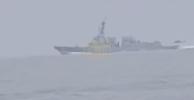
Iranian state media has released footage showing a tense naval encounter in the Strait of Hormuz, where vessels from the Islamic Revolutionary Guard Corps (IRGC) Navy issued a direct warning to U.S. warships operating in the area. According to the broadcast, Iranian forces radioed a U.S. destroyer, identified as USS Frank E. Petersen Jr., ordering it to reverse course toward the Indian Ocean. The communication reportedly included a “last warning” accompanied by a threat of potential military engagement. The footage underscores escalating tensions in one of the world’s most strategically vital waterways.
The confrontation comes as U.S. Navy ships continue transits through the strait to support ongoing mine-clearing operations. These efforts were launched after Iran reportedly deployed naval mines in the waterway during earlier phases of conflict, creating hazards for commercial shipping. Tehran has characterized the U.S. presence as a violation of its territorial posture, despite the international status of the route. The situation highlights competing claims and interpretations of authority over the critical chokepoint.
As tensions persist, the exchange highlights the fragile balance between deterrence and escalation in the region. Both sides continue to assert their positions through military presence and strategic communication, raising concerns about the potential for miscalculation. The incident serves as a reminder of how quickly situations in the Strait of Hormuz can evolve into broader crises. For now, the area remains under close watch as global stakeholders monitor developments closely.
