צה"ל צילט ליטאני בריק צו שטערן חיזבאללה לאגיסטיקס.
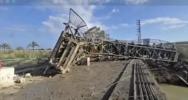
New footage from southern Lebanon reveals the aftermath of an Israeli airstrike targeting the Qasmiyeh Bridge over the Litani River near Tyre. The video shows extensive structural damage, with sections of the steel bridge collapsed into the muddy river below. Emergency responders, including ambulances and civil defense teams, are seen navigating the debris-strewn area as they assess the impact. The strike highlights the intensity of ongoing cross-border operations between Israel and Hezbollah forces.
The Qasmiyeh Bridge is considered a key transit point in the region, making it a strategically significant target in efforts to disrupt movement and supply lines. Israeli military strategy has frequently focused on infrastructure along the Litani River, aiming to limit Hezbollah’s ability to transport weapons and personnel. By targeting such crossings, Israel seeks to impose logistical constraints on militant operations in southern Lebanon. The damage visible in the footage suggests a deliberate attempt to render the route inoperable.
Scenes from the site show vehicles rerouting around blocked sections while personnel carefully inspect the stability of the remaining structure. The presence of emergency units indicates an immediate response to both potential casualties and infrastructure hazards. Despite the destruction, activity around the bridge suggests ongoing efforts to manage the disruption and restore some level of mobility in the area. The conditions captured in the footage reflect the broader strain placed on civilian and logistical networks during active conflict.
Israeli officials have consistently justified such strikes as necessary measures to counter Hezbollah’s use of infrastructure for military purposes. According to this view, bridges and transport routes near the Litani River serve as critical nodes in facilitating militant operations. However, such actions also draw scrutiny due to their impact on civilian movement and regional stability. The strike adds to the growing list of infrastructure targets affected in the current escalation.
Overall, the incident underscores the strategic importance of transportation networks in modern conflict zones. Control over mobility corridors can significantly influence operational outcomes on the ground. As tensions persist, strikes on key infrastructure are likely to remain a central component of military strategy in the region. The aftermath at Qasmiyeh Bridge serves as a stark visual representation of how such tactics reshape both the battlefield and the surrounding civilian environment.
גאלערי
ווידעאס
