זעט ווי איראן נעמט נקמה אויף מדינת ישראל נאך אמעריקאנער-מדינת ישראל לופט אטאקעס.
גאלערי
ווידעאס
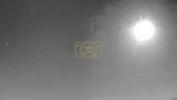
Footage from Amman, Jordan, captured a major ballistic missile attack launched by Iran toward Israel on March 1, 2026, showing multiple visible intercepts, including high-altitude explosions consistent with Israel’s Arrow-3 defense system. According to the Israel Defense Forces, the Arrow-3 has a 90% success rate against such threats, highlighting the effectiveness of Israel’s missile defense capabilities.
The missile barrage was a direct response to U.S.-Israeli airstrikes that eliminated Supreme Leader Ali Khamenei and senior Iranian officials. Iranian attacks killed at least nine Israelis in Beit Shemesh and injured dozens more, marking a dramatic escalation in a conflict that had been largely dormant since the Gaza tensions of 2024.
The exchange underscores the high-stakes nature of the current Middle East confrontation, combining precision strikes, missile defense technology, and rapid retaliatory operations. Analysts note that Iran’s willingness to target Israeli population centers reflects both a desire for immediate retribution and a strategic calculation to test Israel’s defensive systems. Meanwhile, Israel’s successful intercepts demonstrate the operational readiness and technological advantage of its air and missile defense network.
Regional security experts warn that the situation remains volatile, with further retaliation possible from both sides. The convergence of U.S.-Israeli strategic operations and Iranian missile strikes signals a significant escalation, emphasizing the potential for broader regional instability. As the conflict unfolds, monitoring developments in real-time will be critical to assessing the next phase of this intensifying confrontation.
