מדינת ישראל אטאקירט 170 איראנע צילן אין 24 שעה
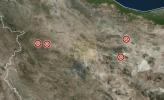
The Israeli Defense Forces announced a large-scale wave of airstrikes targeting 170 sites inside Iran over a 24-hour period, deploying approximately 400 munitions in one of the most extensive operations in the current conflict. According to Israeli officials, the strikes were aimed at degrading the regime’s military-industrial capabilities, particularly facilities linked to weapons production and development. The scale and speed of the operation highlight a sustained effort to weaken Iran’s ability to produce and deploy advanced military systems. This latest phase underscores the intensifying nature of the ongoing confrontation.
Among the primary targets were key locations involved in the production of components used across a range of weapons systems. The IDF specifically identified facilities linked to unmanned aerial vehicle engine production, as well as an industrial complex responsible for weapons development and research activities. These strikes are designed to disrupt supply chains and limit Iran’s capacity to replenish its arsenal, particularly in areas tied to drone warfare. UAV technology has become a central element in recent engagements, making these sites strategically significant.
In parallel operations in western Iran, Israeli forces struck several headquarters associated with internal security and paramilitary organizations. Targets included a main Basij compound in Dehgolan and a police facility belonging to the Internal Security Forces in Sanandaj. These strikes suggest an effort not only to degrade external military capabilities but also to put pressure on internal structures that support regime stability and enforcement. The extension of targets reflects a broader operational scope beyond conventional battlefield assets.
The strikes come as part of a wider escalation in the 2026 Israel-Iran conflict, which has seen repeated exchanges involving missiles, drones, and coordinated attacks on infrastructure. Israeli operations have increasingly focused on achieving and maintaining air superiority, enabling deeper penetration into Iranian territory. At the same time, Iran has continued retaliatory measures, including drone strikes targeting Israeli infrastructure. This cycle of escalation continues to raise concerns about the potential for a wider regional conflict.
Overall, the latest wave of strikes demonstrates a calculated strategy aimed at dismantling Iran’s military production capacity while pressuring key security structures. The operations reflect a shift toward sustained, high-intensity engagement rather than isolated strikes. As both sides continue to escalate, the impact on regional stability and global security remains significant. The coming days will likely determine whether this phase leads to further intensification or opens the door to renewed diplomatic efforts.
גאלערי
ווידעאס
