טראמפ רעדט פון די מינעראלן אפמאל מיט ראוואנדע און קאנגאו
טאליבאן האט ארויסגעווארפן אמעריקע, יעצט בעהטן זיי זיך ביי טראמפ צוריקצוברענגען די אמבאסאדע.
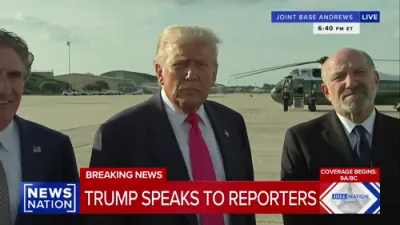
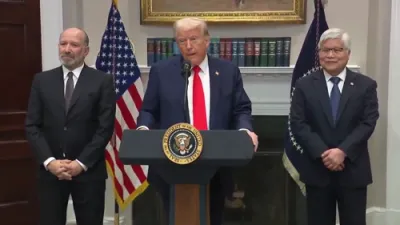
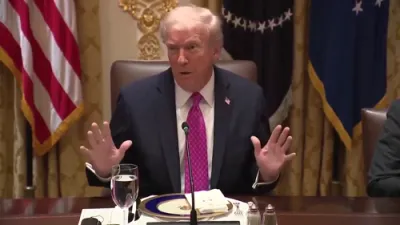
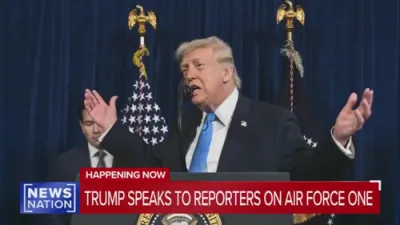
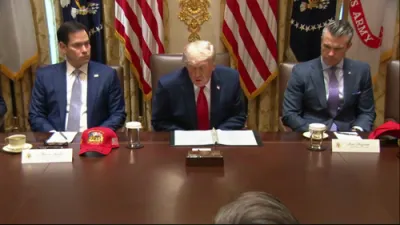
פרעזידענט טראמפ געבט 50 טעג פאר פוטין צו קומען צום פארהאנדלונגס טיש
פרעזידענט טראמפ ווארנט פוטין אז ער שפילט זיך מיט פייער און ברענגט נענטער צום דריטע וועלט מלחמה
א געראטעוועטער פון עבי געיט: פרעזידענט טראמפ און זיין וויצע האבן צוגעזאגט עקאונטעבילעטי
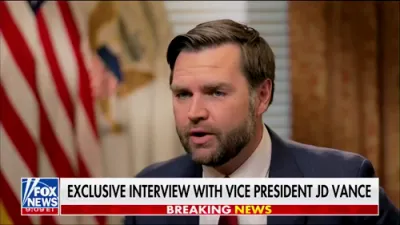
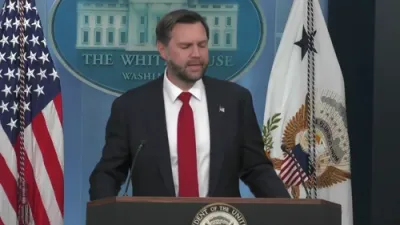
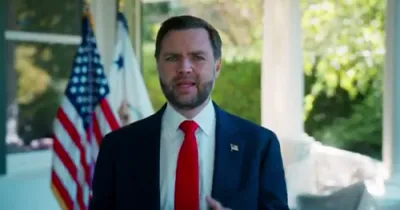
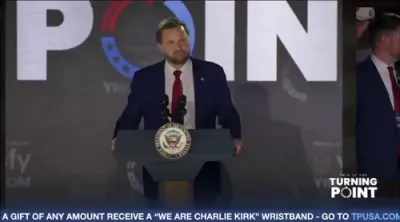
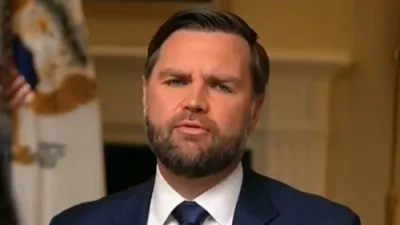
וויצע פרעזידענט ווענס: פרעזידענט טראמפ וויל ענדיגן די מלחמה, אמעריקא קען נישט באצאלן אייביג פאר מלחמה
פרעזידענט טראמפ זאגט אז זאלענסקי זאל זיין דאנקבאר פאר אמעריקא
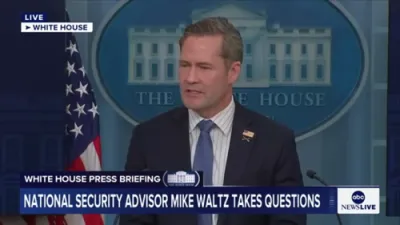
נעשענעל סעקיוריטי עדווייזער מייק וואלץ רעדט ארום וועגן די רוסלאנד אוקריינא מלחמה און טראמפ
פרעזידענט טראמפ איבער די אמעריקאנע דיעל מיט אוקריינא אן פארלירן עפעס
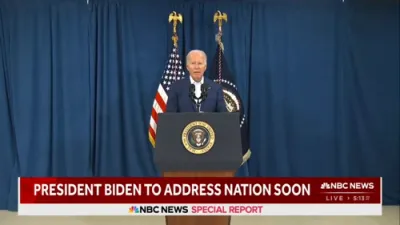
פרעזידענט ביידען ביים אדרעסירן דעם לאנד נאכן שרעקליכען אטענדאט פארזוך אויף טראמפ..
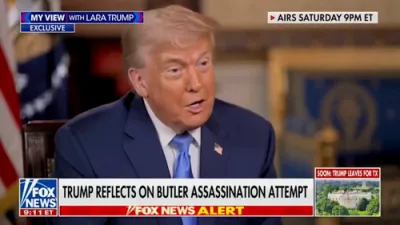
פרעזידענט טראמפ טראכט איבער די אטענטאט פארזוך א יאר צוריק: "גאט האט מיר געהאלפן."
פרעזידענט טראמפ דערמאנט זיך איבער די אטענטאט פארזוך: "זיי האבן געשאסן אכט קוילן... איינס האט געהארגעט קארי."
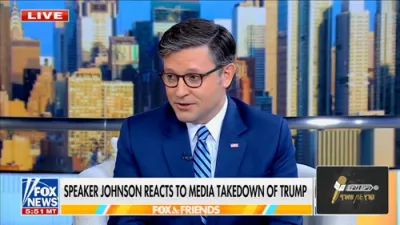
קאנגרעס ספיקער מייק דזשאנסאן זאגט אז ער איז העכסט צופרידן פון פרעזידענט טראמפ, און אז פרעזידענט טראמפ האט אויפגעטון אין די פארגאנגענע צוויי וואכן מער ווי ביידען האט אויפגעטון אין פיר יאר.
וויצע פרעזידענט ווענס צו די רעבעלן אינעם מדינת ישראל קאבינעט: הערט אויף צו אטאקירן טראמפ, אדער וועט איר ריזיקירן צו פארלירן אייער וויכטיגסטע עליי...
ווייס פרעזידענט ווענס ערקלערט אז איראן וועט קיינמאל נישט באקומען קיין נוקלעארע וואפן, אין דער צייט וואס טראמפ ענדיגט צו דעם סאמע וויכטיגסטן מיטל-מזרח אפמאך אין די לעצטע צענדליגער יארן.
טראמפ ווארפט אפ פוטין'ס טענות אז אוקריינא האט פרובירט צו אטאקירן פוטין'ס הויז
פוטין ווארנט אוקראינע בשעת ווען זעלענסקי טרעפט זיך מיט טראמפ אין פלארידע.
וויצע פרעזידענט ווענס זאגט אז טראמפ האט אויפגעוויזן די קריטיק קעגן מדנ"י איז פאלטש
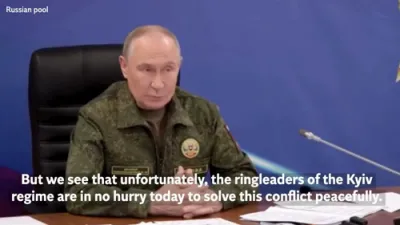
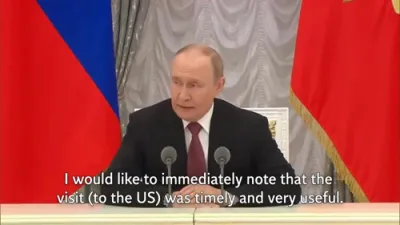
פוטין רעדט וועגן זיינע געשפרעכן מיט פרעזידענט טראמפ
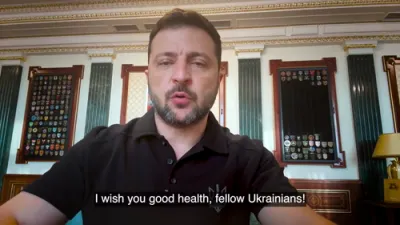
זאלענסקי באדאנקט זיך פאר פרעזידענט טראמפ פאר די הילף קיין אוקריינא
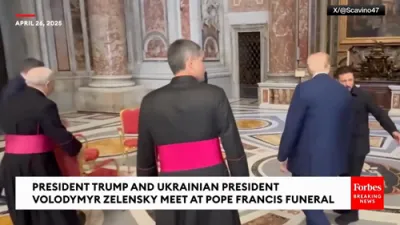
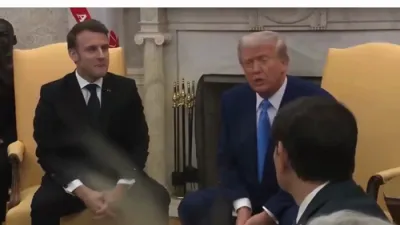
פרעזידענט טראמפ און פרעזידענט זעלענסקי טרעפן זיך אין רוים.
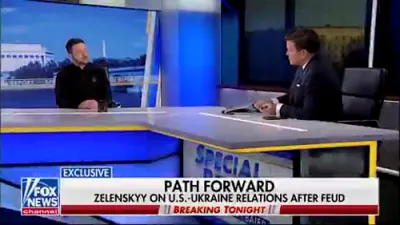
פרעזידענט זאלענסקי זאגט אויף פאקס ניוז אז ער גלייבט אז מען קען נאך ראטעווען די רילעישענשיפ מיט טראמפ
פרעזידענט טראמפ שטופט אוועק די אוקריינא דיעל פון ביידן פון 350 ביליאן דאלער זאגנדיג אז אונז וועלן צוריק באקומען די געלט פון די מינעראלן דיעל
ברעיקינג: פרעזידענט זאלענסקי איז גרייט צו ריזיינען נאכן רעדן מיט טראמפ!
הערט: האט פרעזידענט ביידען געוואלט הרגענען פרעזידענט טראמפ?
פארוואס האט ביידען נישט ריינגעוואשן פרעזידענט טראמפ אזוי ווי זיין זוהן?
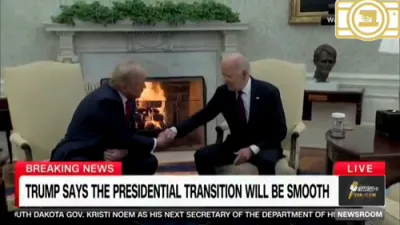
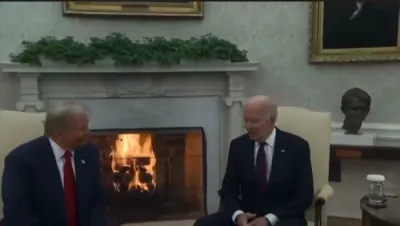
ערשטע בילדער פון פרעזידענט טראמפ אינעם ווייסן הויז זיך טרעפנדיג מיט פרעזידענט ביידען!
די סיבה פארוואס פרעזידענט ביידען פרייד זיך אזוי מיט די געווינס פון פרעזידענט טראמפ.
טראמפ לויבט אויס וויצע פרעזידענט ווענס: די 'פראוד טעסק פארס' דעקט אויף ביליאנען אין פארשווענדעטע געלטער און ברענגט פארברעכער פארן געריכט אין בלויז צוויי חדשים.
רוביא אנטפלעקט: נאך די שיסעריי, איז פרעזידענט טראמפ געווען שטארק אנטשלאסן שפעט ביינאכט אינעם ווייסן הויז צוריק צושטעלן אמעריקע, "דאס האט געוויזן א שטארקע פירערשאפט פונעם פרעזידענט, ער האט בארואיגט דאס גאנצע לאנד"
וויצע פרעזידענט ווענס ענטפערט פאר איינעם וואס האט אריינגעשריגן, אז טראמפ איז דערוואס האט געברענגט שלום אין עזה
וויצע פרעזידענט ווענס זאגט אז פרעזידענט טראמפ האט צוגעגרייט די סטעידזש פאר אמעריקאנער ענערגיע דאמינאנץ.
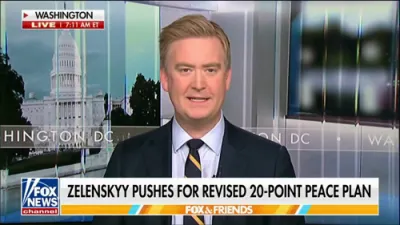
זעלענסקי וועט זיך טרעפן מיט פרעזידענט טראמפ אין פלארידע היינט איינס אזייגער נאכמיטאג
רוביא און ווענס זענען די שטערקסטע פירער אין די ריפאבליקען פארטיי נאך פרעזידענט טראמפ
וויצע פרעזידענט ווענס זאגט אז רוסלאנד מאכט גרויסע פארהאנדלונגען פון ווען טראמפ איז אריינגעקומען אין אפיס