טשייניזע געמאכטע ראקעט סיסטעם איז צובראכן ביים עס נוצן ביי די קאמבאדיע גרעניץ
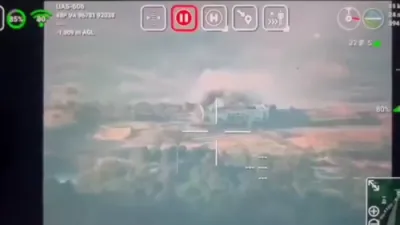
Footage emerging from the December 2025 Thailand-Cambodia border clashes shows a Chinese-made multiple launch rocket system malfunctioning dramatically during an attempted strike on Thai positions, raising renewed questions about the reliability of Chinese-exported military equipment.
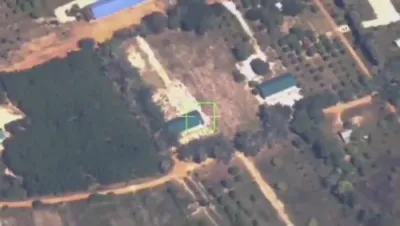
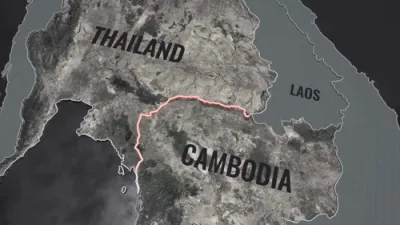
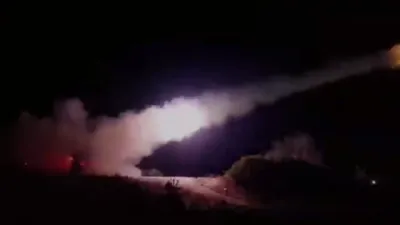
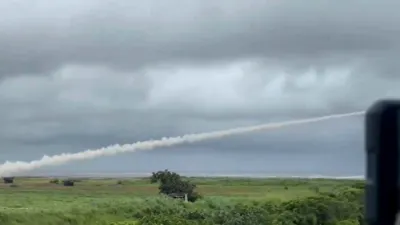
The incident involved a PHL-81 multiple launch rocket system operated by Cambodian forces, which exploded mid-launch as rockets were being fired. The malfunction occurred amid an escalation that intensified on December 7, when both sides exchanged rocket fire and conducted air operations along the contested border areas.
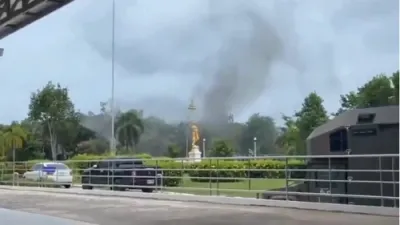
Video from the scene captures the launcher erupting in flames moments after ignition, forcing crews to abandon the system. While the precise cause of the failure has not been officially disclosed, the footage indicates a catastrophic malfunction rather than enemy fire, suggesting a mechanical or munitions-related failure during launch.
The incident has drawn attention to broader concerns surrounding the performance of Chinese-manufactured weapons systems exported to regional partners. Analysts note similarities to past reports from the Middle East, where Chinese-supplied systems reportedly struggled under combat conditions. In Yemen, Saudi forces previously documented significant failure rates in certain Chinese anti-drone platforms during operational testing, undermining confidence in their battlefield effectiveness.
As regional tensions remain high, the malfunction underscores the risks faced by operators relying on systems that may not perform as advertised under combat stress. For Cambodia, the failure represents not only a tactical setback during an active confrontation, but also a potential safety hazard for its own personnel.
The event highlights a recurring theme in modern conflicts: equipment reliability can be just as decisive as numbers or firepower. As border clashes continue to evolve, the performance of deployed weapons systems will remain under close scrutiny by both regional actors and international observers.