נתניהו לויבט אויס די איראנע פראטעסטירער
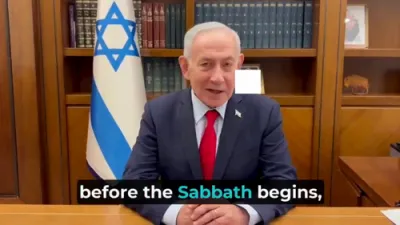
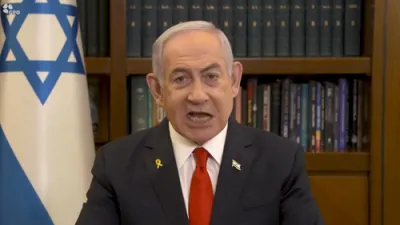
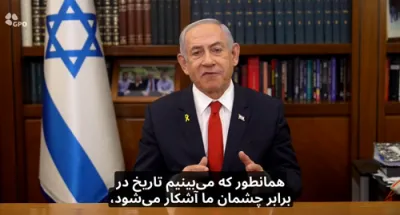
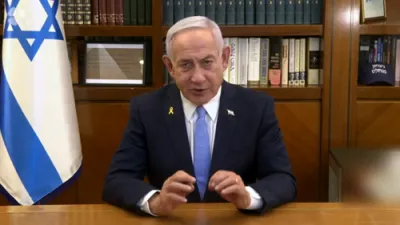
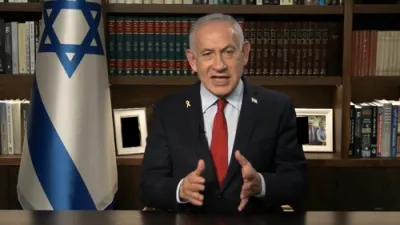
Israeli Prime Minister Benjamin Netanyahu issued a forceful statement at the start of a government meeting, declaring Israel’s full support for the Iranian people as nationwide protests for freedom continue to spread across Iran. Speaking amid escalating unrest, Netanyahu emphasized that Israel is closely monitoring developments and stands firmly with civilians demanding liberty in the face of violent repression.
Netanyahu praised the courage of Iranian citizens, stating that the people of Israel, along with much of the world, are watching in awe as ordinary Iranians risk their lives to challenge a regime that has ruled through fear and brutality. He strongly condemned the mass killings of innocent civilians, with reports indicating that more than 500 protesters have been killed since demonstrations erupted in late December.
The Prime Minister framed Israel’s position not only as a moral stance, but as a clear rejection of tyranny and state-sponsored violence. He reiterated Israel’s belief that the Iranian people deserve freedom, dignity, and a future unshackled from authoritarian rule.
Looking beyond the current crisis, Netanyahu articulated a long-term vision that recalls the historic relationship between Israel and Iran prior to the 1979 Islamic Revolution. He expressed hope that a liberated Iran would one day rejoin Israel as a faithful partner, working together to build regional prosperity, stability, and peace.
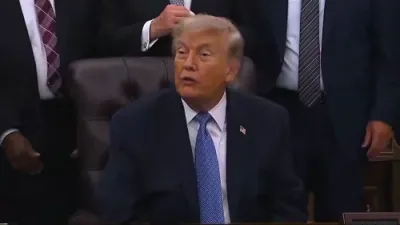
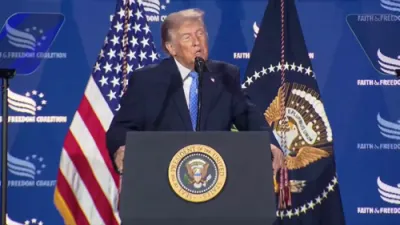
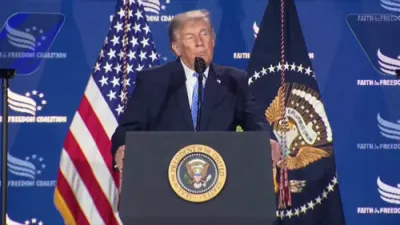
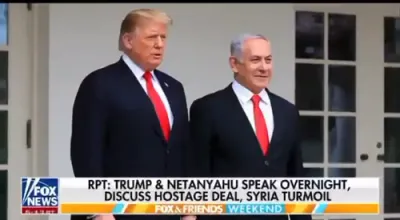
The statement also carries strategic weight amid rising international pressure on Tehran, including warnings of potential military consequences under U.S. President Donald Trump should the regime continue its violent crackdown. Netanyahu’s remarks signal that Israel sees the Iranian people—not the ruling regime—as its natural counterpart and future ally.
By aligning Israel openly with Iran’s protest movement, Netanyahu reinforced a broader message: that freedom movements cannot be silenced indefinitely, and that regimes built on oppression ultimately face accountability. His words position Israel as both a moral voice and a strategic actor during one of the most consequential moments in Iran’s modern history.