די אנטי רעזשים פראטעסטן אין איראן גייען שוין אן 2 וואכן!
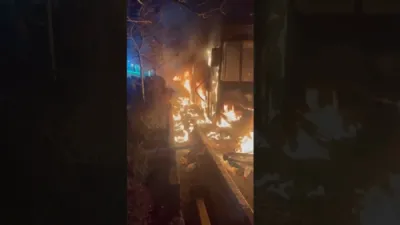
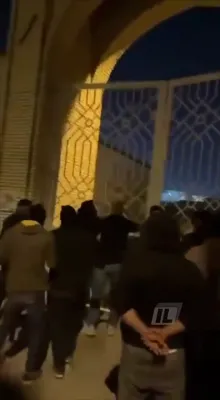
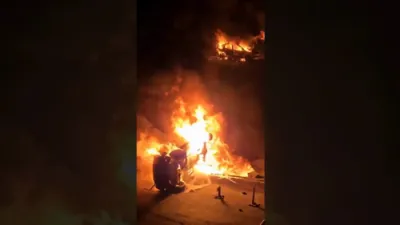
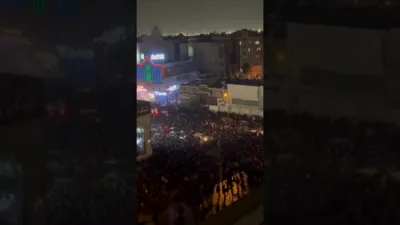
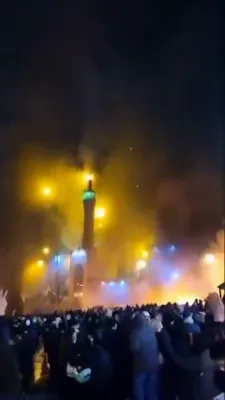
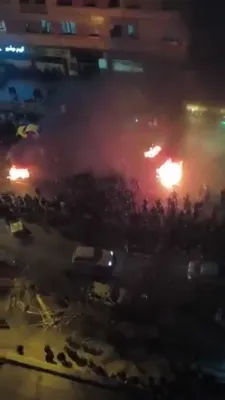
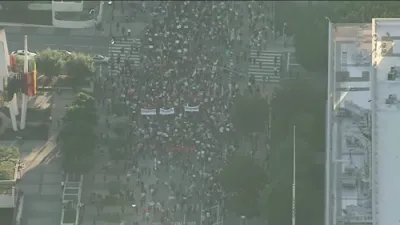
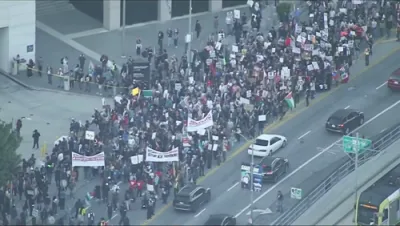
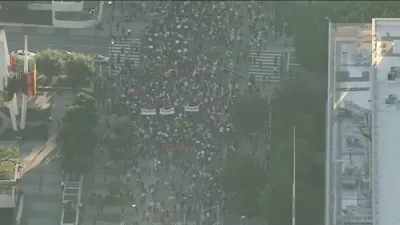
Tehran witnessed another night of large-scale protests on January 10, 2026, as crowds filled the streets amid burning barricades, thick smoke, and scenes of urban chaos. The demonstrations, now entering their 13th consecutive day, reflect a growing public outcry against the Islamic Republic and widespread dissatisfaction with economic conditions, including surging inflation exceeding 70%.
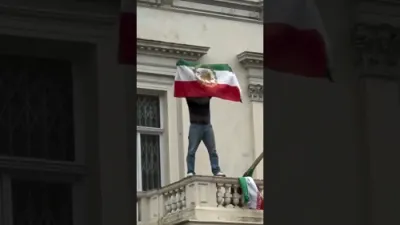
Initially sparked by economic grievances, the protests have evolved into calls for systemic change and the overthrow of the regime. Demonstrators have chanted slogans in support of Reza Pahlavi, Iran’s exiled crown prince, and have prominently displayed the pre-1979 Lion and Sun flag, a potent symbol of secular governance and opposition to the clerical regime. The unrest has spread to more than 15 cities across Iran, signaling both the depth and breadth of public anger.
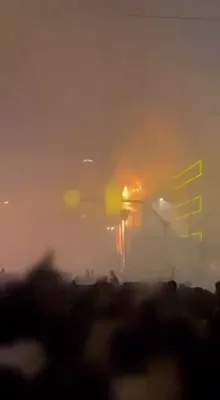
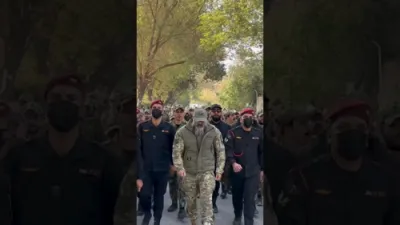
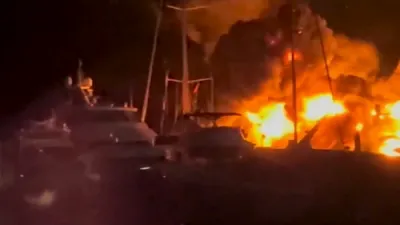
Eyewitnesses report barricades set on fire in key streets, with demonstrators confronting security forces in tense standoffs. While authorities have attempted to disperse crowds, the scale of the demonstrations highlights the challenge faced by the regime in controlling urban centers and suppressing dissent.
Observers note that the protests are no longer solely about economic hardship. They represent a broader societal pushback against authoritarian control, highlighting the desire among Iranians for political reform, transparency, and international engagement. The repeated calls for Reza Pahlavi and the historic flag reflect a symbolic yearning for an alternative national identity and governance model.
As Tehran and other cities continue to see nightly unrest, the situation underscores the volatility of Iran’s domestic environment. International human rights groups and regional observers are monitoring the protests closely, warning that continued repression may further escalate violence while the Iranian population remains determined to assert its demands for change.