דייטשלאנד ווארפט אפ די באשולדיגונגען וועגן אמעריקאנער גרינלאנד אינוואזיע.
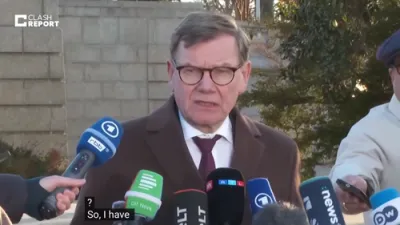
Germany’s foreign minister moved to calm growing speculation over Greenland after dismissing claims that the United States is considering a military invasion of the strategically important Arctic territory. Speaking at a press conference in Washington, Foreign Minister Johann Wadephul stated plainly that he has “no indication whatsoever” that such a scenario is being seriously contemplated.
Wadephul’s remarks were aimed at countering renewed rumors that have circulated in recent weeks, fueled by political developments in the United States and lingering sensitivities in Europe. While acknowledging ongoing discussions among NATO allies regarding Arctic security, Wadephul emphasized that these talks are focused on cooperation and defense planning rather than territorial expansion or unilateral action.
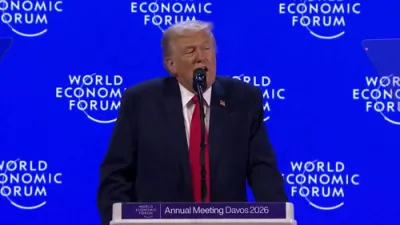
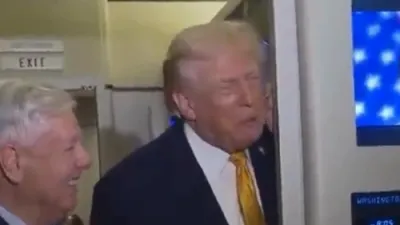
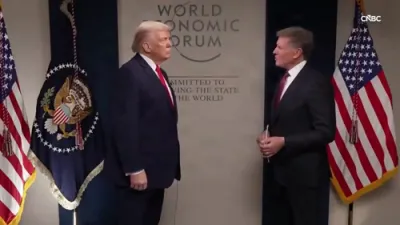
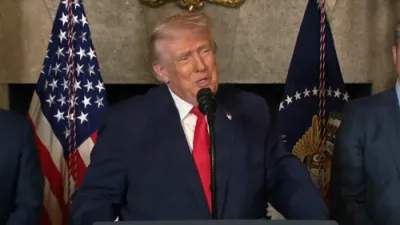
The issue has resurfaced against the backdrop of former President Donald Trump’s 2019 proposal to purchase Greenland, an idea that was widely criticized at the time but left a lasting imprint on diplomatic discourse. Tensions were further amplified by the introduction of a recent U.S. House Republican bill that would authorize Trump to pursue the annexation of Greenland should he return to office, a move that reignited debate across Europe.
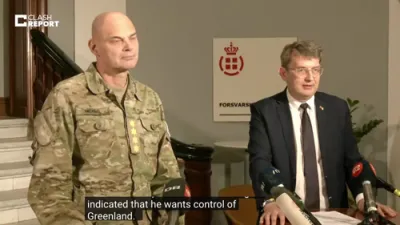
Public concern has also grown in Denmark, where a recent poll indicated that 38 percent of respondents fear the possibility of a U.S. invasion. Wadephul sought to address these anxieties directly, underscoring that there is no evidence of imminent or serious plans for such action and reaffirming Germany’s confidence in existing NATO frameworks.
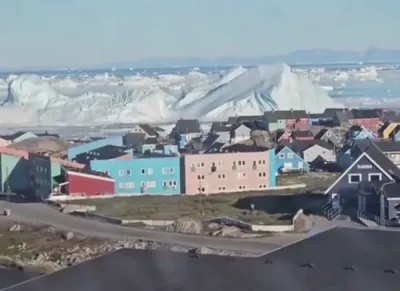
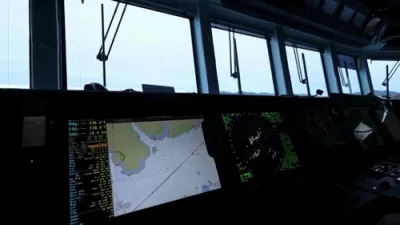
By framing the matter within the context of alliance coordination, Wadephul highlighted the importance of stability and transparency in the Arctic, a region increasingly viewed as geopolitically significant due to shipping routes, natural resources, and security considerations. His comments were intended to reassure European partners that discussions with Washington remain grounded in collective defense rather than confrontation.
The statement reflects a broader effort by European leaders to dampen speculation while maintaining open dialogue with the United States, reinforcing the message that alliance cooperation—not escalation—continues to guide Arctic policy.