טים וואלץ, מיניסאוטע גאווערנער רופט פאר די איינוואוינער צו רעקארדירן אייס אפעראציעס
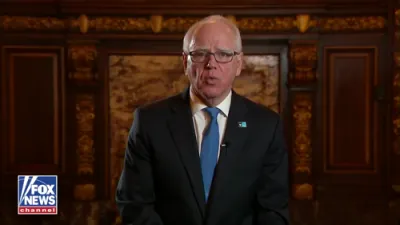
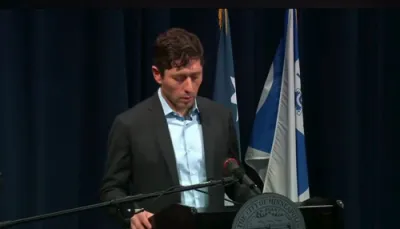
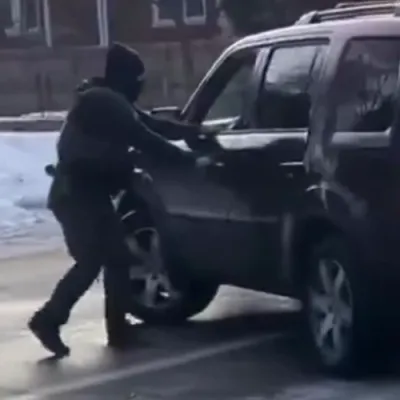
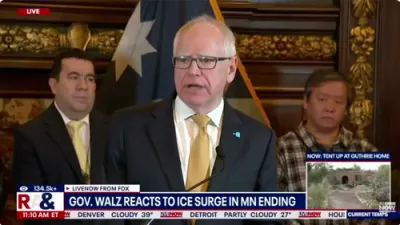
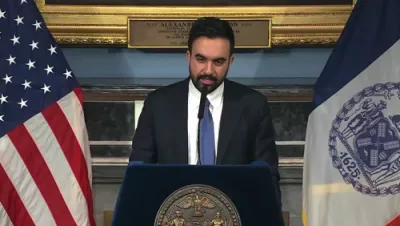
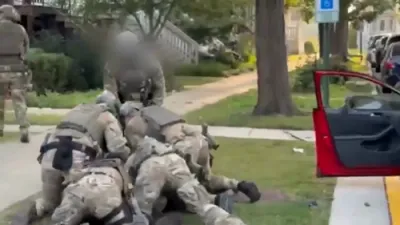
Minnesota Governor Tim Walz urged residents to film U.S. Immigration and Customs Enforcement (ICE) agents during federal immigration operations, calling on the public to help document what he described as “atrocities against Minnesotans.” The remarks were delivered during a statewide address on January 14, 2026, amid escalating tensions between Minnesota’s state leadership and the federal government over immigration enforcement.
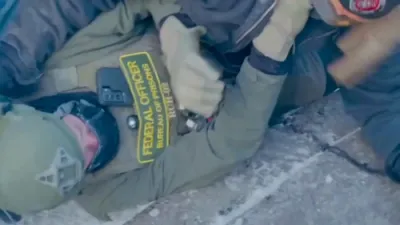
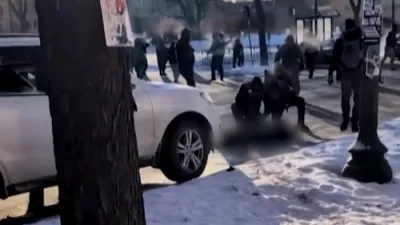
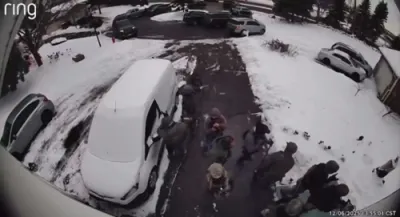
“If you see these ICE agents in your neighborhood, take out that phone and hit record,” Walz said. He encouraged residents not only to preserve footage for historical record but to “bank evidence for future prosecution,” framing the effort as a way to hold federal authorities accountable for their actions.
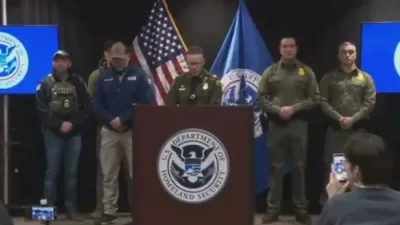
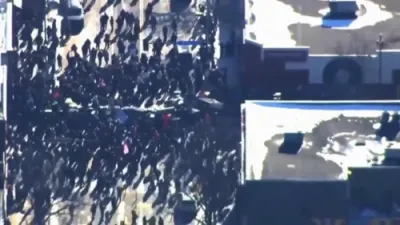
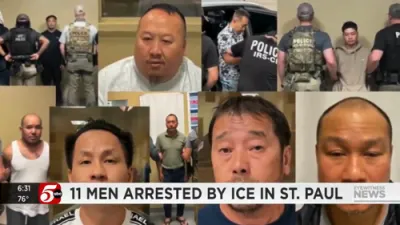
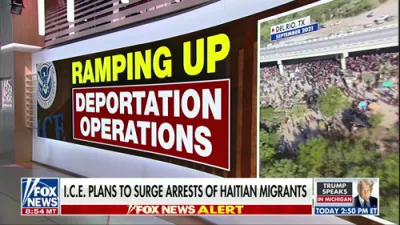
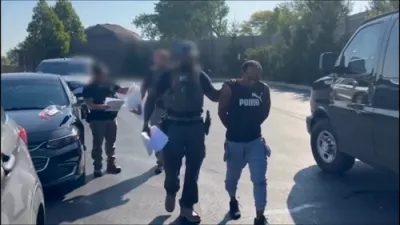
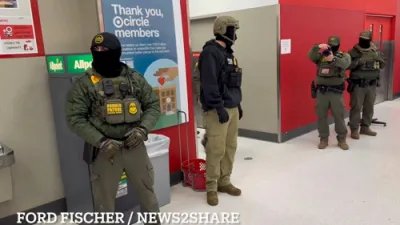
Walz’s comments came in response to “Operation Metro Surge,” a Department of Homeland Security–led initiative that reportedly deployed between 2,000 and 3,000 federal agents to Minnesota. The operation is aimed at arresting criminal non-citizens with outstanding warrants or prior convictions. The governor characterized the deployment as an “occupation,” sharply criticizing what he described as heavy-handed federal tactics in communities across the state.
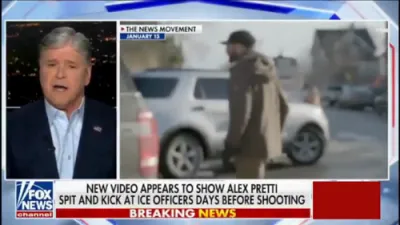
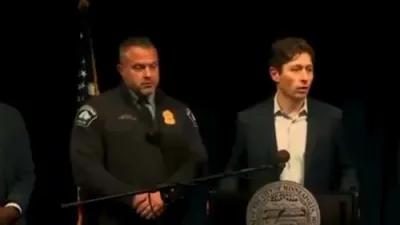
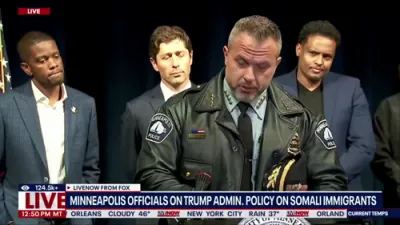
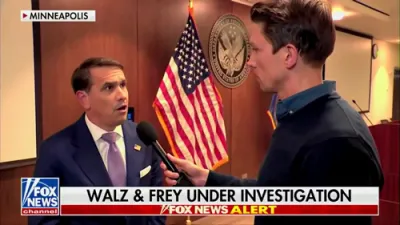
The statement has intensified an already strained relationship between Minnesota officials and the Trump administration, particularly over sanctuary-style policies and cooperation with federal immigration authorities. Supporters of the governor argue that filming law enforcement is a lawful form of transparency and civic oversight, while critics warn that encouraging residents to record active enforcement operations could interfere with law enforcement, escalate confrontations, and endanger officers and civilians alike.
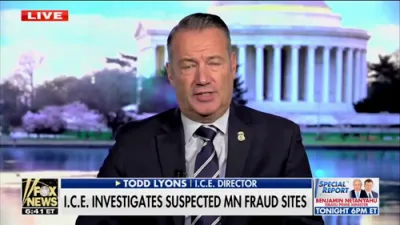
Federal officials have defended Operation Metro Surge as a lawful and necessary public safety initiative, emphasizing that ICE agents are operating under federal authority to enforce immigration law. The controversy highlights a broader national divide over immigration enforcement, state resistance to federal operations, and the role of citizen surveillance in policing and accountability.