בריטישער פרעמיער מיניסטער סטארמער פארדאמט טראמפ'ס טאריפס אויף נאטא אליאירטע.
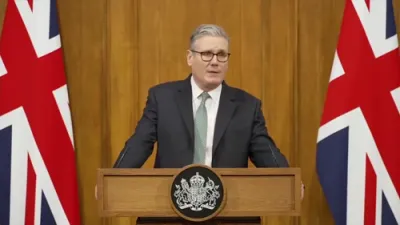
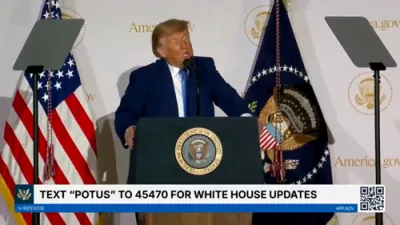
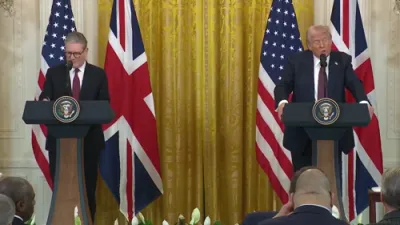
UK Prime Minister Keir Starmer sharply criticized President Donald Trump’s proposed tariffs on NATO allies during a Downing Street press conference on January 19, 2026, calling the use of trade penalties against allied nations “completely wrong.” The remarks come amid escalating tensions between Washington and European capitals over U.S. demands tied to Greenland’s strategic status and broader alliance responsibilities.
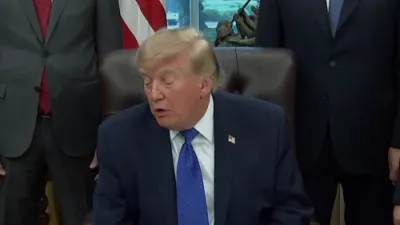
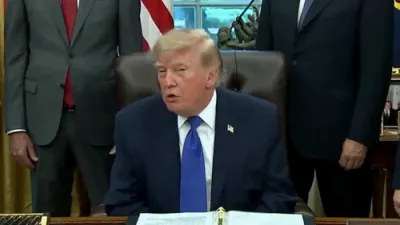
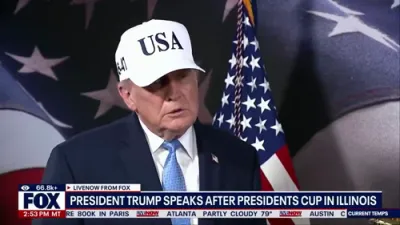
Under the proposal, NATO member countries would face a 10 percent tariff on certain goods beginning February 1, with duties rising to 25 percent by June if negotiations fail. President Trump has linked the tariffs to Denmark’s refusal to enter talks over transferring control of Greenland, a territory he has repeatedly described as vital to U.S. strategic and security interests. The move has sparked rare unity among European leaders, who view the tariffs as a direct challenge to alliance cohesion.
Speaking from Downing Street, Starmer warned that such measures risk harming businesses and consumers on both sides of the Atlantic while undermining trust among long-standing allies. He emphasized that disputes within NATO should be resolved through diplomacy rather than economic pressure, arguing that trade wars between partners ultimately weaken the collective strength of the alliance.
European opposition has extended beyond the United Kingdom. EU Commission President Ursula von der Leyen labeled the tariff plan an error that damages confidence between allies, while several European governments have begun preparing retaliatory measures should talks with Washington collapse. The coordinated response reflects growing concern that economic tools are being used to force political concessions within the NATO framework.
The standoff highlights broader economic and strategic frictions within the alliance, as President Trump continues to press European nations on defense spending, trade imbalances, and strategic cooperation. While European leaders publicly stress unity, the tariff dispute underscores deeper disagreements over how allies should share burdens and negotiate sensitive geopolitical issues.
As the February deadline approaches, both sides signal a willingness to continue discussions, but preparations for escalation remain underway. Starmer’s remarks reflect a broader European effort to resist what leaders describe as coercive trade tactics, even as they seek to preserve the transatlantic relationship at a time of mounting global instability.