ABC רעפארטער דעטאלירט זיין פערזענלעכע קאלס מיט טראמפ בשעת די מלחמה.
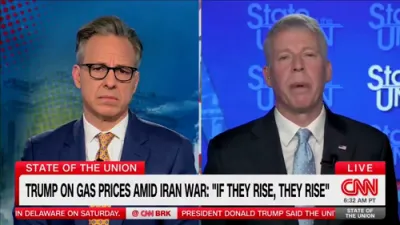
ABC News journalist Jonathan Karl revealed in a recent discussion that President Donald Trump has been unusually accessible to reporters during the ongoing military campaign against Iran, describing direct phone conversations with the president since the launch of Operation Epic Fury earlier this month. Karl, who has covered five different U.S. presidents throughout his career, noted that he has never experienced this level of direct communication from a sitting commander in chief.
According to Karl, he has spoken with President Trump three separate times since the military operation began on March 1, 2026. Each conversation, he said, occurred simply by calling the president directly, with Trump personally answering the phone. The veteran journalist emphasized that such accessibility is highly uncommon in modern presidential communications, where contact with reporters is typically managed through press offices and tightly controlled messaging channels.
“I’ve covered five presidents and never seen one, other than President Trump, who regularly takes phone calls from reporters,” Karl explained, highlighting how the president’s approach differs from that of previous administrations. In most cases, reporters seeking comment from the White House must rely on press briefings, prepared statements, or scheduled interviews arranged through official staff.
During one of the conversations, Karl asked Trump about the ongoing military campaign targeting Iran’s nuclear infrastructure and military capabilities. According to Karl’s recounting, the president responded with a remark that captured both his confidence and his strategic framing of the moment.
“In my first term I built the military, in my second term I’m using it,” Trump told the reporter.
The comment reflects the administration’s argument that the current military operations are the result of years of rebuilding and strengthening American defense capabilities. During Trump’s first presidency, the administration prioritized increased defense spending, modernization programs, and expanded readiness across multiple branches of the armed forces. Supporters of the strategy argue that those investments now provide the operational capacity required for complex military actions overseas.
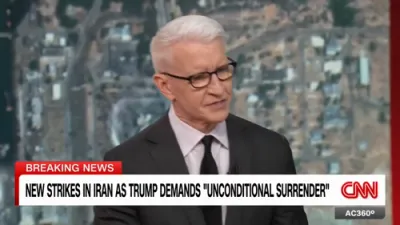
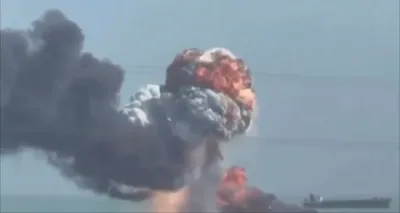
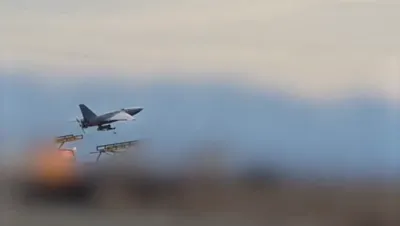
Operation Epic Fury, which began on March 1, has focused on dismantling critical components of Iran’s nuclear program and weakening key elements of the country’s military infrastructure. U.S. and allied forces have reportedly carried out a series of coordinated strikes against strategic sites connected to uranium enrichment and missile development.
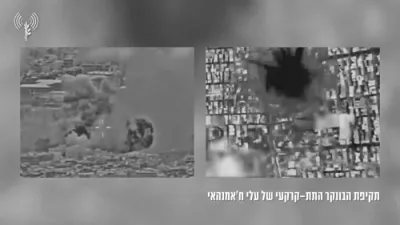
Among the most significant targets reported to have been struck are the nuclear facilities at Fordow and Natanz, two of Iran’s most important enrichment centers. These facilities have long been central to international concerns about Iran’s nuclear ambitions. Analysts say damaging or disabling such sites could significantly disrupt Tehran’s ability to expand its nuclear program.
The broader campaign has unfolded within a rapidly escalating confrontation between Iran, Israel, and the United States. Iranian retaliatory missile barrages have targeted Israeli cities and regional military assets, raising fears of a wider regional conflict. As the situation develops, both military and diplomatic channels remain under intense global scrutiny.
Karl’s description of his direct communication with the president offers an unusual window into how Trump is engaging with the press during a major international crisis. Rather than limiting interactions to formal press events or controlled interviews, the president appears willing to speak candidly with individual reporters, sometimes with little advance coordination.
Supporters say the approach reflects Trump’s long-standing communication style, which often bypasses traditional political filters in favor of direct messaging. Critics argue that such informal access can blur the line between official policy communication and off-the-cuff remarks.
Regardless of the debate, Karl’s account underscores how the Trump administration’s handling of media engagement continues to differ from previous presidencies. At a moment when the United States is deeply involved in a high-stakes confrontation with Iran, even brief phone conversations between the president and journalists can offer rare insights into the thinking behind critical military decisions.
As Operation Epic Fury continues and the conflict with Iran evolves, the president’s remarks—and the policies behind them—are likely to remain at the center of international attention.