האומלענד סעקיורעטי דעפארטמענט קעגן סי ען ען העדליינס
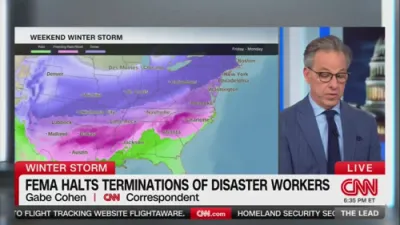
A CNN report claiming that Department of Homeland Security officials instructed FEMA staff to limit the use of the word “ice” in winter storm alerts has drawn a sharp public rebuttal from DHS, which dismissed the reporting as misleading and sensationalized. According to CNN, DHS officials were allegedly concerned that phrases such as “watch out for the ice” could become memes or be misinterpreted online due to associations with Immigration and Customs Enforcement amid heightened immigration enforcement.
DHS forcefully rejected that characterization, stating that the reporting distorted internal communications and distracted from the agency’s core mission of public safety. In a statement responding to the report, DHS said the story read like “a desperate ploy for clickbait rather than real journalism,” arguing that such coverage fails to provide Americans with clear, actionable disaster preparedness information that could save lives. The department emphasized that FEMA will continue to use correct and accurate descriptors of weather conditions when communicating with the public.
The controversy emerged as a major winter storm threatened widespread power outages, dangerous road conditions, and freezing rain across large portions of the country. Critics of the CNN report argued that focusing on speculative concerns about social media memes trivialized the seriousness of severe weather warnings and risked undermining public trust in emergency communications. DHS officials stressed that clarity, accuracy, and timeliness remain the guiding principles for FEMA alerts, regardless of political or cultural noise online.
CNN’s report suggested the guidance was tied to sensitivities around immigration enforcement under the Trump administration, particularly in states such as Minnesota, where online discourse can be highly politicized. DHS, however, rejected the premise that FEMA’s language would ever be altered to avoid internet jokes or political interpretations, reaffirming that weather alerts are designed solely to protect lives and property.
The exchange highlights ongoing tensions between federal agencies and legacy media outlets over coverage of public safety issues, especially during national emergencies. DHS made clear that it will prioritize straightforward communication over media narratives, underscoring that Americans deserve clear warnings about ice, storms, and other hazards without confusion or distortion.