מאסק זאגט אז ראבאטןמוועלן איבערקלוגן מענטשן ביז 2027
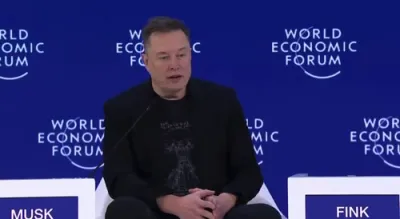
At the 2026 World Economic Forum in Davos, Elon Musk delivered a bold prediction about the future of robotics, stating, “My prediction is there'll be more robots than people... everyone on Earth is going to have one and going to want one... who wouldn't want a robot to... watch over your kids, take care of your pets... we are in the most interesting time in history.”
Musk promoted Tesla’s Optimus humanoid robots as a solution to global labor shortages and highlighted their potential for household and caregiving tasks, especially amid a rapidly aging population. United Nations data projects that by 2050, one in six people worldwide will be over 65, creating significant demand for elder care, childcare, and other support services.
This statement aligns with Musk’s prior forecasts, including the advent of artificial intelligence surpassing human intelligence by late 2026 and the commercial rollout of robots beginning in 2027. While the vision promises transformative convenience and productivity, it also raises ethical questions about the role of humans in a post-scarcity economy. A 2023 Oxford study warned that widespread automation could result in significant job displacement, requiring careful policy planning and social adaptation.
Musk’s remarks underscore both the potential and the challenges of rapid technological advancement. As humanoid robots move closer to mass adoption, society faces pivotal decisions on how to integrate automation while maintaining human purpose, economic stability, and social cohesion in the decades ahead.