ביטערע קעלט פארוואנדלט דעם האדסאן טייך אין א אייז מעיז...
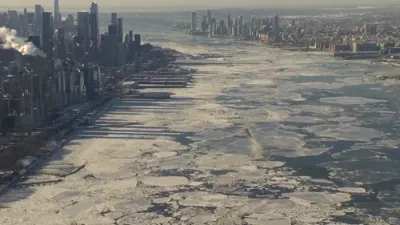
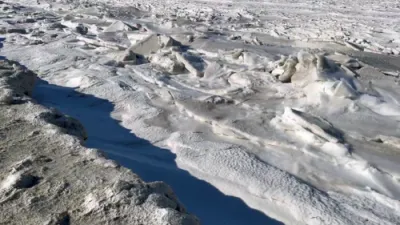
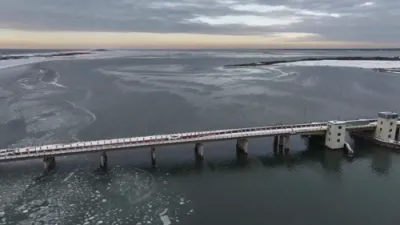
After two weeks of relentless bitter cold, the Hudson River has transformed into a shifting maze of massive ice floes as New York City continues to shiver through an unusually severe February cold snap. Video captured near Manhattan’s skyline shows large slabs of ice drifting chaotically along the river, grinding against one another as tides struggle to move the frozen surface downstream.
The dramatic scene follows an extended stretch of sub-freezing temperatures, including nine consecutive days below 32 degrees Fahrenheit beginning in late January. The prolonged cold allowed ice to form and thicken across wide sections of the river, a rare sight for New Yorkers accustomed to milder winter conditions in recent years. The Hudson’s tidal nature added to the spectacle, pushing ice north and south simultaneously and creating dense, slow-moving clusters.
The ice buildup disrupted normal river activity, forcing ferry delays and temporary waterway closures as operators navigated hazardous conditions. Observers reported that the river’s movement slowed noticeably, with ice fields stretching for miles and becoming so extensive that they were visible in satellite imagery captured from space.
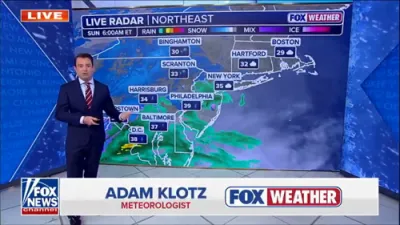
Meteorologists attribute the phenomenon to persistent Arctic air masses that settled over the Northeast, overwhelming the river’s usual tidal flow and preventing ice from breaking apart. While the Hudson has frozen before during historic cold spells, events of this scale have become increasingly uncommon, making the sight both striking and unsettling.
As temperatures are expected to gradually moderate, the ice will eventually fracture and clear, but the frozen Hudson stands as a powerful reminder of winter’s force. For now, the river remains locked in motion, a cold, grinding testament to one of New York City’s harshest cold snaps in years.