טראמפ פייערט א דערגרייכונג פון 50,000 אויף די סטאק מארקעט
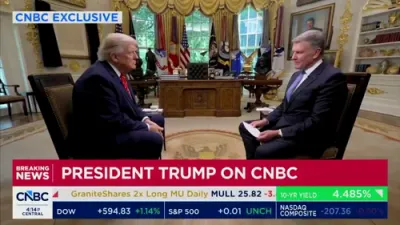
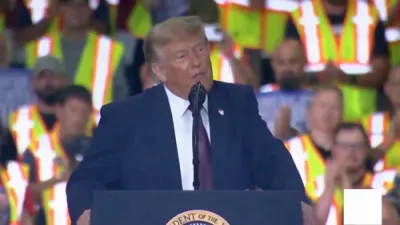
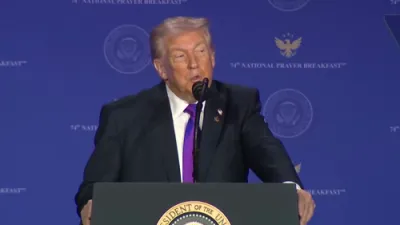
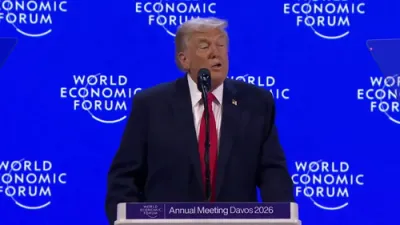
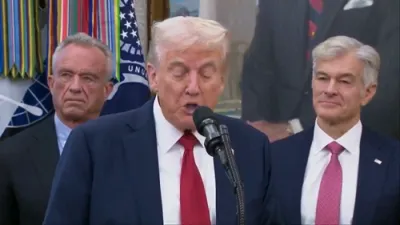
President Donald Trump highlighted a major stock market milestone this week, noting that the Dow Jones Industrial Average surpassed 50,000 during his first year back in office — a level he says critics once considered achievable only by the end of a full four-year term.
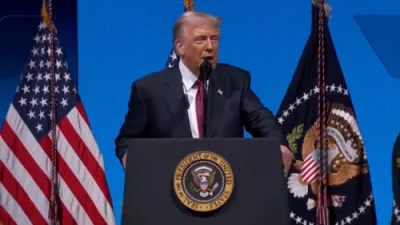
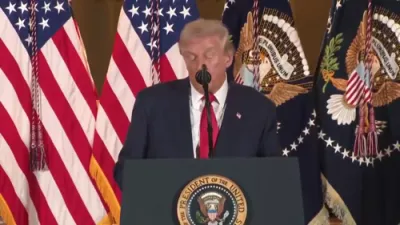
“I remember when I first won, they said, ‘If he gets the Dow up to 50,000 by the end of his fourth year, he will have done miracles!’” Trump said. “And we’re at the end of the first year.”
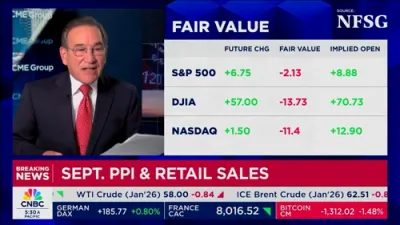
The Dow closed at 50,188 on February 10, marking a roughly 15 percent increase from 43,487 at the time of Trump’s January 2025 inauguration. The surge represents one of the fastest first-year stock market gains for a returning president in modern history.
Trump attributed the rally to what he described as swift reversals of Biden-era economic policies, particularly in energy and regulatory sectors. He cited declining fuel prices — including gasoline reportedly dropping to $1.85 per gallon in parts of Iowa — as evidence that lower input costs are boosting both consumer confidence and corporate performance.
Administration officials argue that a pro-growth policy mix — including tax certainty, deregulation, and expanded domestic energy production — has strengthened investor sentiment and accelerated capital investment. Market analysts have also pointed to resilient corporate earnings, stabilizing inflation trends, and improved supply chain conditions as contributing factors.
While supporters hail the milestone as validation of Trump’s economic agenda, critics caution that markets are influenced by global monetary policy, Federal Reserve actions, and broader macroeconomic cycles beyond presidential control.
Looking ahead, Trump projected even more aggressive growth, forecasting the Dow could reach 100,000 by 2029 if current economic momentum continues.
The 50,000 threshold carries symbolic weight for investors and policymakers alike, underscoring both the strength of equity markets and the political significance attached to market performance during presidential terms.