רוסישער דראון אטאקע שטעלט אפ וואסער צו 300,000 איינוואוינער אין אוקראינע.
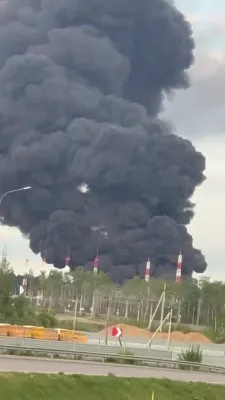
A large-scale Russian drone attack on the Ukrainian port city of Odesa has left more than 300,000 residents without access to running water after critical energy and infrastructure facilities were struck overnight. Ukrainian authorities confirmed that one civilian was killed and at least six others were injured in the barrage, which targeted power systems, industrial sites, and elements of the port network that are essential to the city’s daily operations.
The loss of electricity to pumping and treatment facilities caused a cascading failure in the municipal water supply, highlighting the continued vulnerability of civilian infrastructure to long-range drone warfare. Emergency crews have been working to restore power and reroute limited water resources, while local officials warned that full service recovery could take significant time depending on the extent of the damage to substations and distribution nodes.
Odesa’s strategic importance as a Black Sea port makes it a recurring target in Russia’s campaign against Ukraine’s economic and logistical lifelines. By striking energy and industrial assets, Moscow seeks to disrupt export capacity, degrade urban resilience, and impose humanitarian pressure on densely populated areas. The latest attack reflects an operational pattern in which drones are used to overwhelm air defenses and inflict cumulative damage on critical infrastructure rather than achieve a single decisive effect.
Ukrainian air defense units reported intercepting a number of incoming drones, but several penetrated defensive coverage and struck designated targets. The use of unmanned systems allows Russian forces to conduct persistent, relatively low-cost attacks that strain interceptor inventories and force Ukraine to prioritize the protection of key nodes across a wide geographic area.
The humanitarian impact is immediate and substantial. Without functioning water systems, hospitals, residential districts, and emergency services must rely on резерв supplies and tanker deliveries, placing additional pressure on local authorities and relief organizations. Public health concerns also rise sharply when water access is disrupted, particularly in urban environments where sanitation and medical facilities depend on continuous supply.
This strike comes amid an ongoing campaign aimed at Ukraine’s energy grid, which has repeatedly been targeted during colder months to maximize civilian hardship. Western partners have provided air defense systems and infrastructure support, but the scale and frequency of drone attacks continue to pose a significant challenge. Ukrainian officials have called for additional defensive capabilities and accelerated repair assistance to mitigate the long-term effects on essential services.
Operationally, the attack demonstrates the expanding role of drone warfare in modern conflict, where relatively small payload systems can generate outsized strategic and humanitarian consequences by targeting interconnected utilities. The destruction of a single power node can disable multiple downstream services, as seen in Odesa’s water outage.
As repair efforts continue, the incident underscores the broader reality of the war: civilian infrastructure remains a central battlefield, and the resilience of urban systems has become as critical as frontline military dynamics. Restoring water and power will be a priority for Ukrainian authorities, but the recurring nature of such strikes suggests that infrastructure defense will remain a defining challenge in the months ahead.