טראמפ סיגנאלירט אז ער וועט שיקן נאך א מיליטערישע שיף אויב די איראנע געשפרעכן פאלן דורך
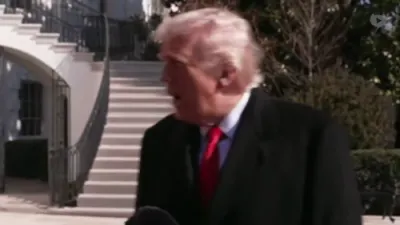
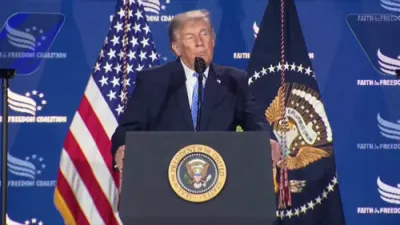
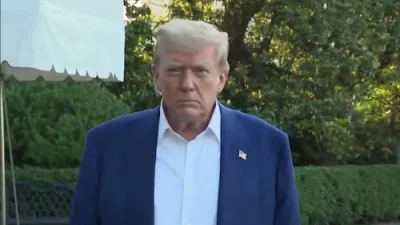
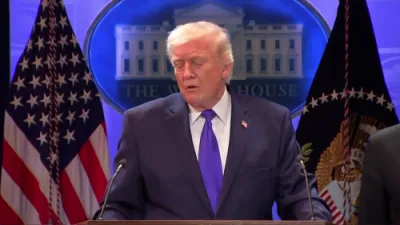
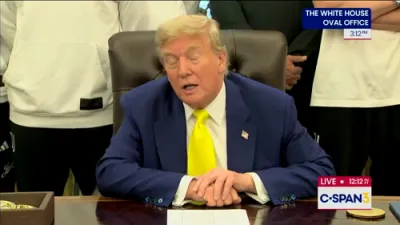
President Donald Trump issued a stark warning on February 13, 2026, emphasizing that failure by Iran to reach a nuclear agreement could necessitate the deployment of a second U.S. aircraft carrier to the Middle East. Speaking to reporters at Mar-a-Lago, Trump framed the potential move as a continuation of his "maximum pressure" strategy, signaling readiness to escalate military presence if diplomacy does not produce a viable outcome.
The USS Gerald R. Ford, the world’s largest aircraft carrier, has been ordered from the Caribbean to join the USS Abraham Lincoln in the region, reflecting a significant increase in American naval capability within striking distance of Iran. Military analysts note that the dual-carrier posture is intended to provide both deterrence and rapid response options, reinforcing U.S. credibility while constraining Tehran’s decision-making in the absence of a deal.
Trump’s remarks echo previous first-term actions, including the 2019 deployment of the USS Abraham Lincoln, which heightened tensions with Iran without triggering direct conflict. The strategy combines visible force projection with diplomatic leverage, aiming to compel Iran to negotiate seriously while maintaining freedom of maneuver for the United States across multiple theaters.
Pentagon officials have emphasized that the deployments are defensive in nature, intended to safeguard regional interests, allies, and strategic maritime corridors. The presence of two carriers enhances both surveillance and strike capacity, ensuring that U.S. forces are prepared to respond to any escalation or provocations while giving diplomats additional leverage in ongoing Geneva talks.
Observers note that the statement serves multiple purposes: it communicates resolve to both domestic and international audiences, reinforces deterrence against Iranian miscalculation, and signals alignment with allies concerned about nuclear proliferation and regional stability. The deployment, if executed, would represent one of the largest American carrier concentrations in the Middle East in recent years.
Trump’s warning underscores a broader doctrine of combining diplomacy with credible military readiness. By publicly linking the deployment of the USS Gerald R. Ford with the potential failure of negotiations, the President aims to strengthen leverage while avoiding the pitfalls of inaction in a highly volatile regional environment. For Tehran, the message is clear: continued delay or defiance could trigger an immediate demonstration of U.S. operational capability.
The situation remains fluid, with indirect talks in Geneva providing a potential diplomatic off-ramp. Yet Trump’s statement makes it evident that the United States is prepared to match stalled negotiations with tangible military power, reflecting a consistent approach to Iran that prioritizes deterrence, alliance reassurance, and strategic pressure without immediate recourse to open conflict.