איבערגעטריבענע באריכט אז איראן האט ביי די 12 טאגיגע מלחמה חרוב געלייגט 5-6 פראצענט פון איזראעלי געביידעס
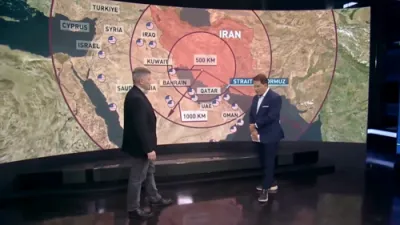
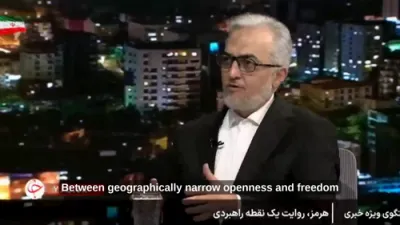
A recent broadcast by the Russian state outlet RT has drawn sharp scrutiny after asserting that Iran damaged or destroyed 5–6 percent of Israel’s structures during the June 2025 twelve-day conflict. The claim has been widely challenged by independent analysts and international reporting, which indicate that while Iranian missile and drone attacks caused casualties and localized damage, there is no verified data supporting the scale described in the broadcast.
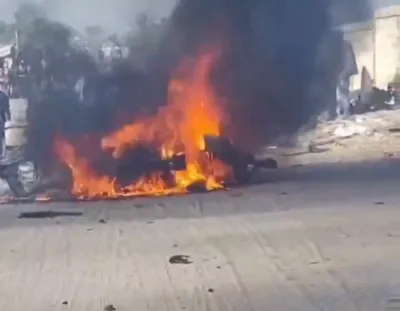
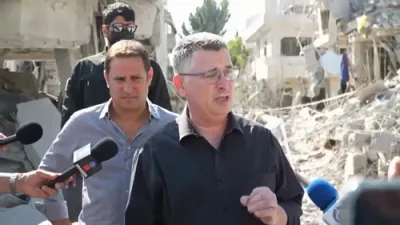
The twelve-day war began with Israeli strikes targeting Iranian nuclear facilities and military infrastructure, followed by retaliatory launches from Iran involving ballistic missiles and unmanned aerial systems. The attacks resulted in the deaths of 36 Israeli civilians and caused damage in several areas, but available satellite imagery, open-source intelligence assessments, and international media reporting have consistently described the physical impact as limited and concentrated rather than systemic.
No peer-reviewed studies, engineering surveys, or credible satellite analyses have substantiated a figure approaching the level of nationwide structural damage suggested by RT. Defense analysts note that such a percentage would imply widespread destruction across urban and industrial zones, a scenario that would be difficult to conceal given Israel’s dense population centers and the extensive global monitoring of the conflict. Instead, the documented effects point to temporary disruptions, localized building damage, and the interception of the majority of incoming projectiles by Israeli air defense systems.
The disputed figure aligns closely with narratives circulated by Iranian state media following the conflict, which emphasized symbolic and psychological impact over measurable infrastructure loss. Information campaigns are a common feature of modern warfare, with competing parties seeking to shape perceptions of battlefield outcomes. In this context, the amplification of unverified statistics can influence public opinion and diplomatic discourse even when empirical evidence is lacking.
Israeli officials have maintained that while the attacks were serious and resulted in tragic loss of life, the country’s critical infrastructure, military readiness, and economic activity remained largely intact. Rapid repair efforts and continuity-of-government protocols further limited long-term disruption. Independent economic indicators from the period show short-term market volatility but no structural collapse consistent with the level of damage claimed.
The episode underscores the broader challenge of information verification during and after armed conflicts. Competing narratives, state-affiliated media, and the speed of digital dissemination can create discrepancies between reported and verifiable outcomes. For policymakers and observers, reliance on corroborated data—such as satellite imagery, engineering assessments, and multi-source reporting—remains essential for accurately evaluating the material effects of military engagements.
As reconstruction and regional tensions continue to shape the post-conflict environment, the debate over wartime damage figures highlights the importance of distinguishing between documented impact and strategic messaging. In this case, the available evidence indicates that the scale of destruction asserted in the broadcast does not align with independently verified findings.