אמעריקאנער האנדל פארשטייער פארטיידיגט האנדל אפמאכן נאך טאריף אורטייל.
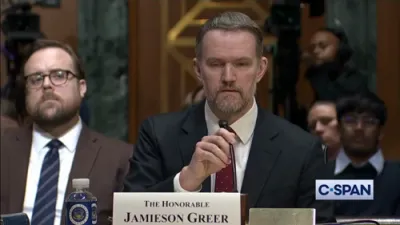
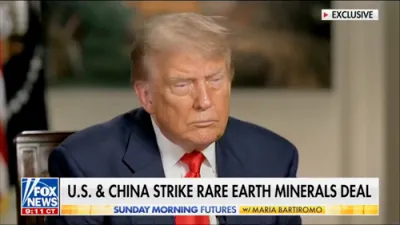
U.S. Trade Representative Ambassador Jamieson Greer reaffirmed that recently negotiated trade agreements will remain fully in force despite the Supreme Court’s February 20, 2026 decision striking down the administration’s emergency tariffs imposed under the International Emergency Economic Powers Act. Greer emphasized that the agreements were structured independently of the contested tariff authority and were built on mutual commitments that both the United States and its trading partners are expected to uphold.
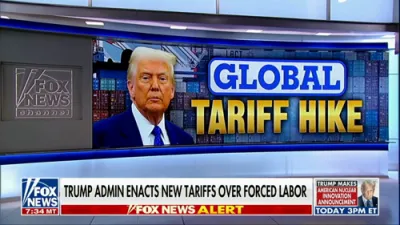
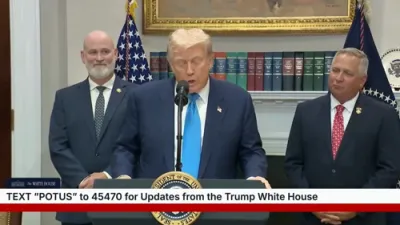
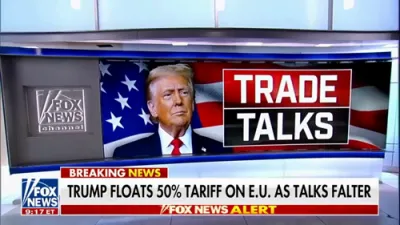
The ruling required a rapid policy recalibration in Washington, but trade officials moved quickly to preserve negotiating leverage through alternative statutory mechanisms. The administration pivoted toward Section 122 balance-of-payments tariffs and initiated new Section 301 investigations, tools that provide distinct legal pathways for targeted trade actions. In parallel, President Donald Trump announced a temporary global tariff that began at 10 percent and was subsequently adjusted to 15 percent, signaling continuity in a broader strategy aimed at addressing trade imbalances and protecting domestic industries.
Greer’s remarks were designed to reassure both markets and allied governments that the legal setback would not derail the underlying framework of bilateral and multilateral agreements reached in recent months. By separating the durability of negotiated terms from the specific enforcement mechanism invalidated by the Court, the U.S. position seeks to maintain credibility and prevent counterparties from reopening settled provisions. The message to partners is that contractual obligations remain binding regardless of shifts in the legal tools used to enforce U.S. trade policy.
From a strategic perspective, the transition to alternative authorities reflects an effort to sustain economic pressure while remaining within judicial parameters. Section 301 allows the United States to respond to unfair trade practices through targeted tariffs following investigative findings, while Section 122 provides temporary measures to address balance-of-payments concerns. These instruments, though more procedurally structured than emergency powers, still enable the administration to exert leverage in ongoing negotiations.
The broader implication is that U.S. trade policy is entering a phase characterized by legal adaptation rather than retrenchment. The administration’s objective remains consistent: reducing structural trade deficits, securing reciprocal market access, and reinforcing domestic manufacturing capacity. Maintaining the integrity of existing agreements is central to that approach, as any perception of instability could weaken bargaining power in future talks.
For trading partners, Greer’s statement clarifies that the United States views its commitments as durable and expects the same level of adherence in return. The coming months will test whether the combination of revised tariff authorities and preserved agreements can deliver the intended economic outcomes while navigating the constraints imposed by the Court’s decision. In the interim, the administration is signaling continuity of purpose, continuity of enforcement, and continuity of expectations across the global trade landscape.