טרעזשורי סעקרעטאר ווארנט סופרים קאורט'ס טאריף באשלוס שוואכט אפ אמעריקאנער האנדלס לעווערידזש.
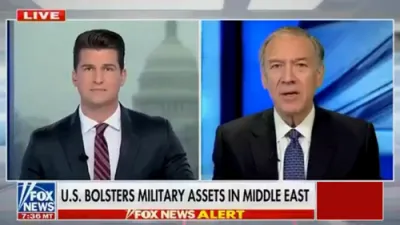
Treasury Secretary Scott Bessent described the Supreme Court’s February 20, 2026, decision invalidating President Donald Trump’s IEEPA-based tariffs as a setback for American trade leverage, while emphasizing that the ruling leaves intact broader executive authority to impose full embargoes. Speaking on Fox News, Bessent said, “Today was a loss for the American people because by taking away President Trump's instantaneous leverage using the IEEPA authority, the American people have suffered a significant setback.”
The 6-3 ruling determined that the International Emergency Economic Powers Act does not authorize the president to impose tariffs without congressional approval in peacetime, effectively nullifying the administration’s emergency trade measures implemented since early 2025. Bessent argued that these tariffs provided rapid-response tools to address trade imbalances and economic threats, and their removal reduces the administration’s ability to apply immediate economic pressure.
However, the Treasury secretary framed the decision as having an unintended consequence. “In a way, they have made the leverage that he has more draconian because they agreed he does have the right to a full embargo,” Bessent said, noting that the Court’s interpretation preserves the president’s authority to halt all trade and financial transactions with targeted nations under IEEPA. Such comprehensive measures, he suggested, could be more severe than the tariff mechanisms that were struck down.
The ruling highlights an evolving balance between judicial oversight and executive economic powers. While it restricts the use of tariffs under emergency authority, it simultaneously affirms the availability of broader sanctions tools that can exert significant pressure on adversarial states. Bessent’s remarks reflect the administration’s position that the decision shifts the policy landscape toward more sweeping, rather than more limited, forms of economic enforcement.
As the administration explores alternative legal frameworks for tariffs and trade measures, the preservation of embargo authority ensures that the United States retains substantial economic leverage in confronting unfair trade practices and national security threats.