די פאראייניגטע אראבישע אימיראטן ווערט אטאקירט דורך איראן
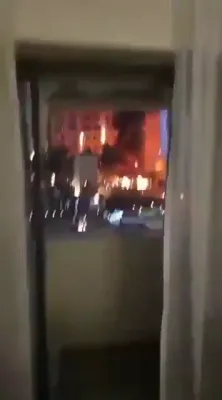
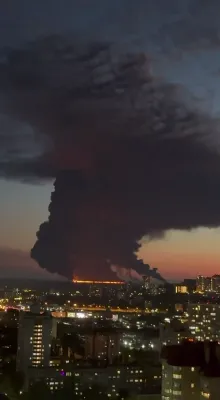
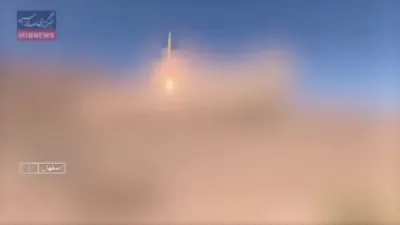
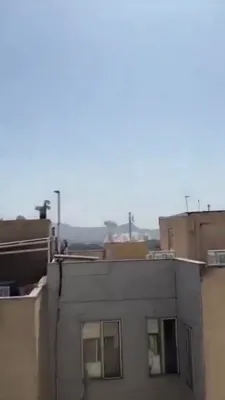
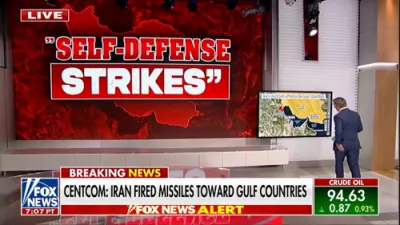
Video footage from a Dubai hotel room shows a high-rise engulfed in flames and thick smoke at dusk, with emergency responders actively managing the scene. The damage follows a suspected Iranian missile strike on February 28, 2026, part of Tehran’s retaliatory barrage targeting U.S. and Israeli assets across the Gulf after joint strikes killed Supreme Leader Ayatollah Ali Khamenei.
UAE authorities reported that missile interceptions prevented larger-scale destruction, though falling debris caused damage to several buildings, disrupted operations at major airports, and resulted in four injuries. Local emergency services quickly mobilized to contain fires, evacuate affected areas, and secure debris, ensuring that civilian casualties remained limited despite the dense urban environment.
The incident highlights the growing risk of escalation in the Gulf region, as retaliatory missile and drone attacks extend beyond immediate military targets to populated urban centers. UAE military and civil defense agencies continue to assess structural damage and enhance protective measures for key infrastructure and civilian areas.
Analysts note that while interception systems mitigated the full impact of the barrage, urban fallout and debris remain a persistent hazard, demonstrating the challenges of defending densely populated areas against high-volume missile attacks. The event underscores the strategic significance of the UAE as a host for U.S. and allied assets and the broader regional consequences of direct confrontations with Iranian forces.
Authorities continue to monitor for additional threats, maintain heightened security, and coordinate with international partners to manage the rapidly evolving situation across the Gulf.